
Welcome to the Healthcare Clowning Hub!
Below you can find masterclasses, panels, conversations, and articles relating to healthcare clowning.
Healthcare clowning plays a vital role in hospitals, care homes, and community settings, offering presence, play, and deep human connection in environments that can often feel clinical, stressful, or isolating. This hub brings together resources from practitioners, researchers, and performers from around the world to share knowledge, practice, and lived experience from the field.
Here you’ll find recordings, reflections, and learning resources that explore techniques, ethics, and the impact of healthcare clowning, alongside real stories from practice, offering both inspiration and practical insight for anyone interested in this evolving field of care and performance.
Masterclasses
Below are four incredible masterclasses from leaders in Healthcare Clowning!
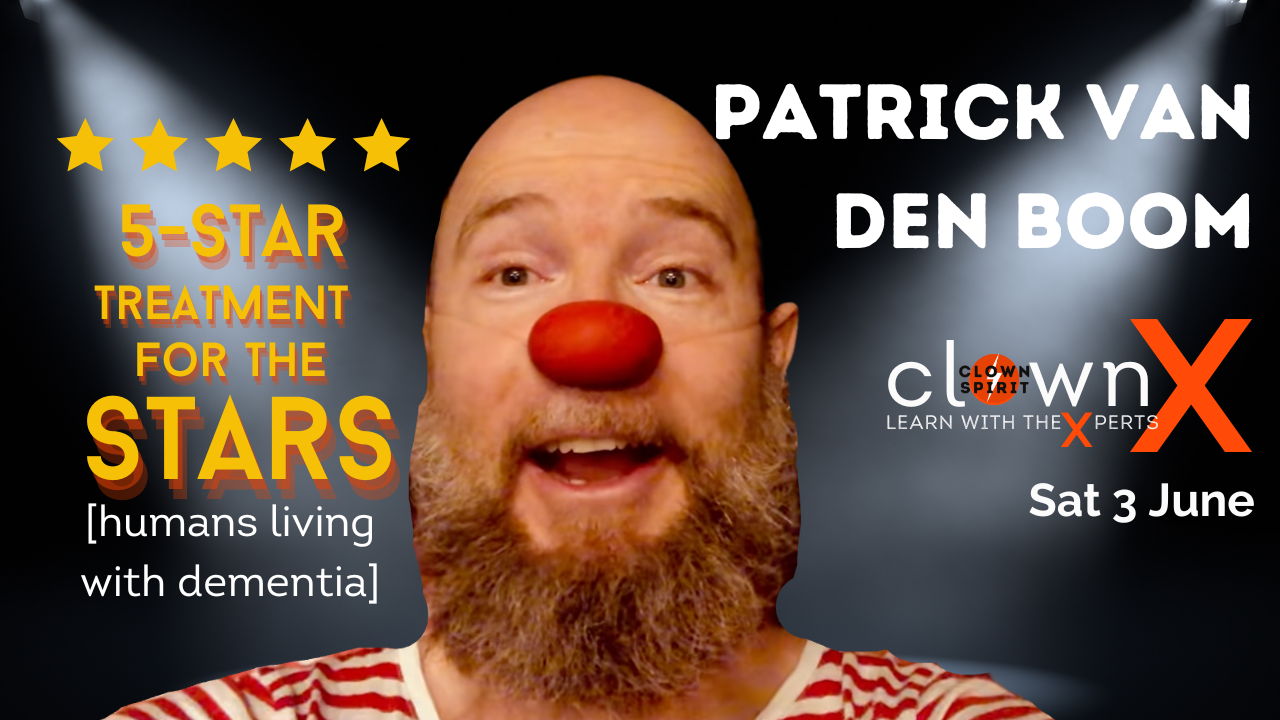
Patrick van den Boom
Patrick van den Boom is an internationally recognized healthcare clown, performer, and trainer known for his work bringing improvisation, presence, and compassionate play into healthcare environments.
Tales in Healthcare Clowning
|
What is happening in healthcare clowning around the world? This panel, from CLOWNVERGENCE 2026, offers a global “weather report” on healthcare clowning, with representatives from different regions sharing insights into current practices, challenges, and developments. |
NAFHCO Panel Discussion
|
Leaders from the North American Federation of Healthcare Clown Organizations speak about the opportunities and challenges facing their organizations, and what strategies might be required in order to grow this work in new directions over the coming years. |
Clownversations
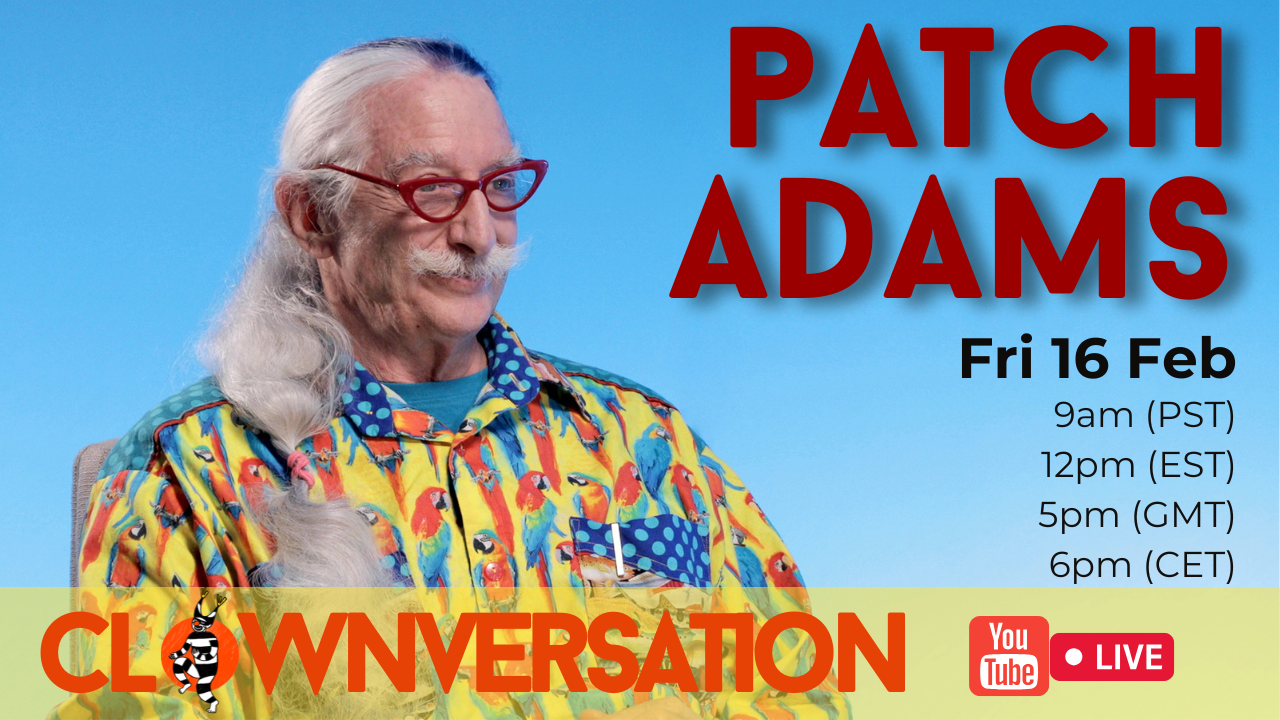
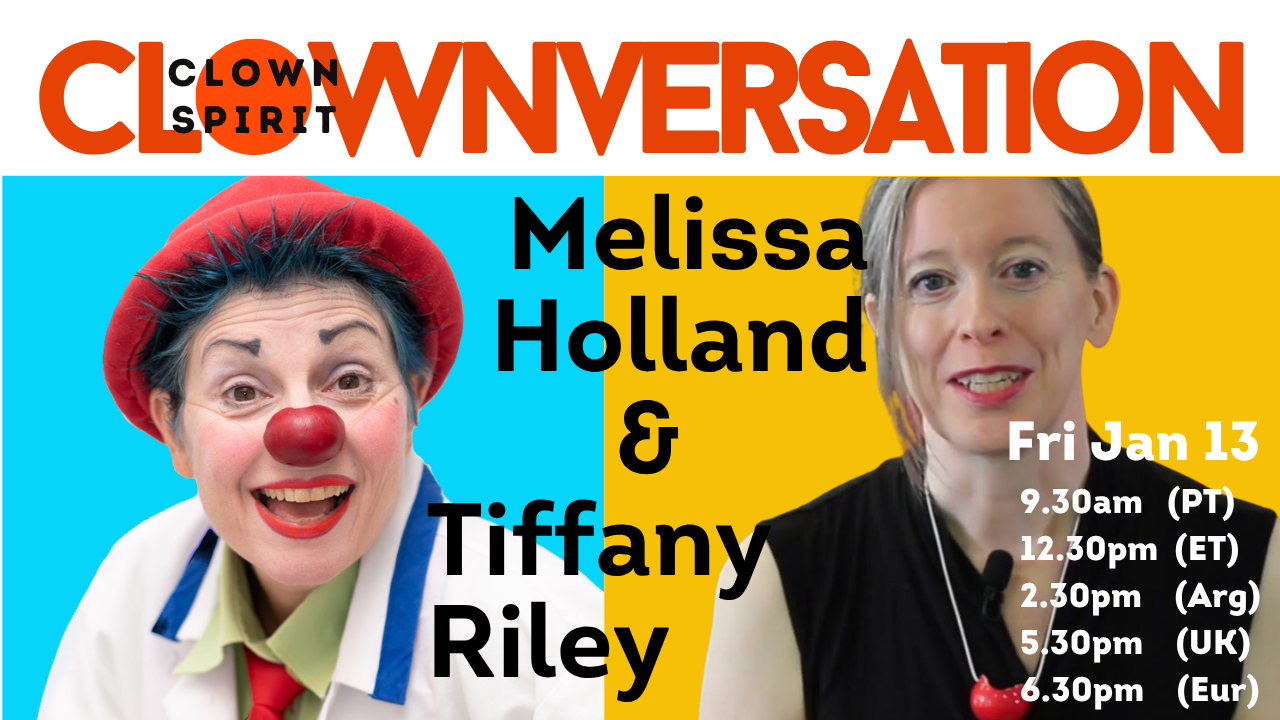
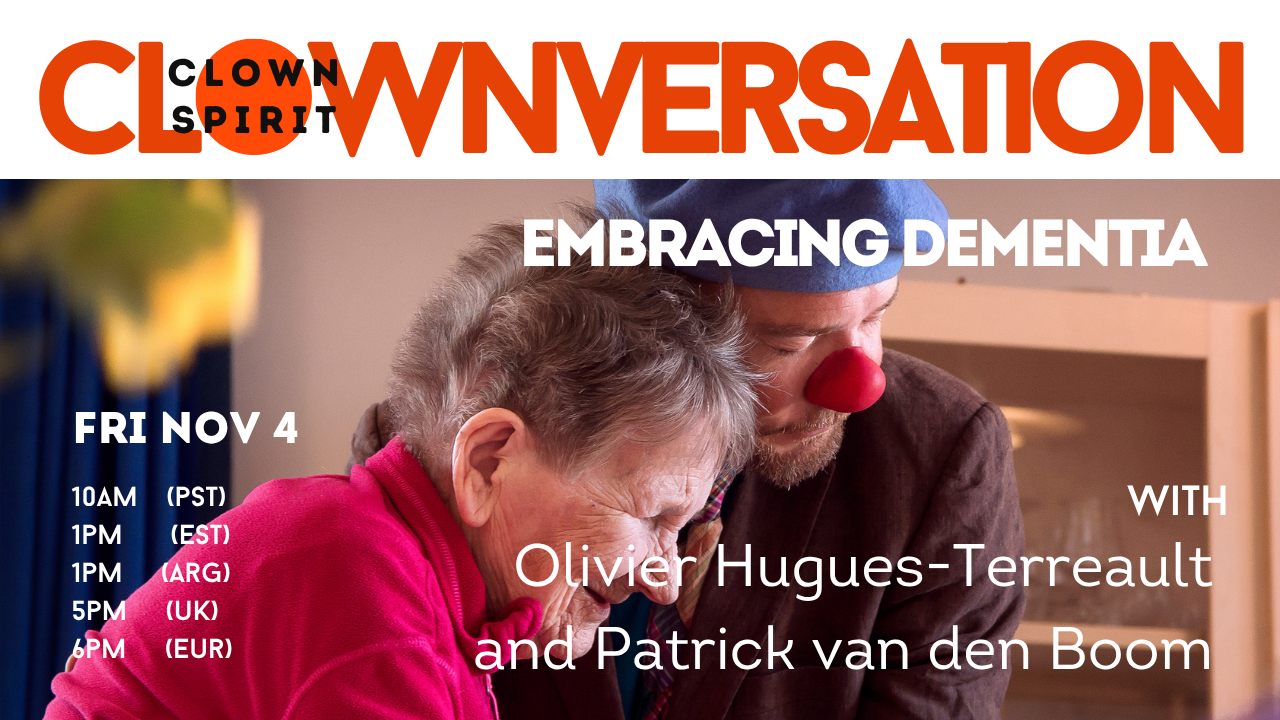
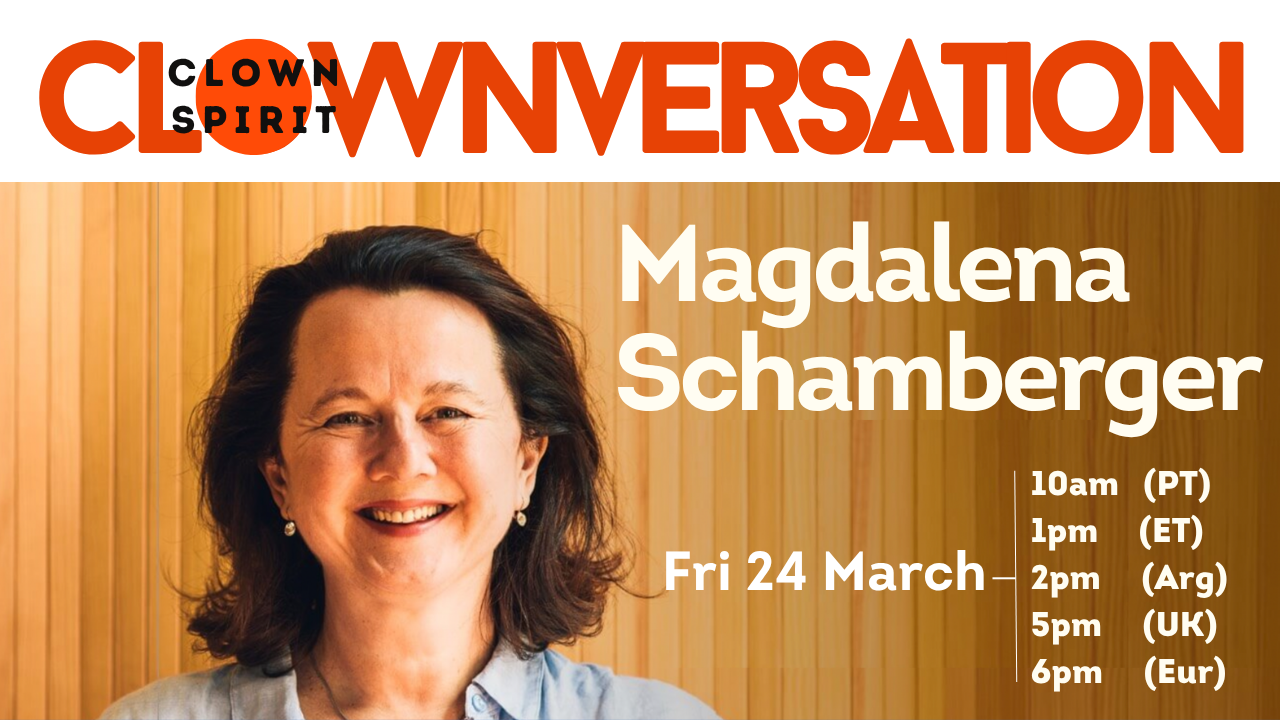
Below are some amazing Clownversations with leaders in Healthcare Clowning! Scroll to see all of them.

Articles
Below are some research articles about healthcare clowning.
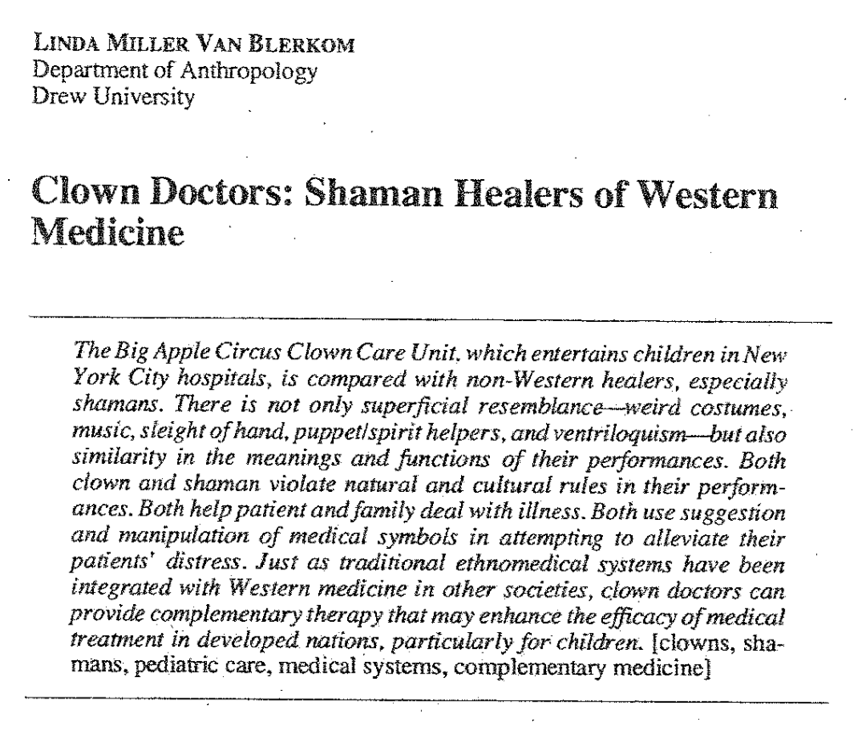
This research summary examines the integration of the Big Apple Circus Clown Care Unit (CCU) into pediatric hospital care, drawing comparisons between clown doctors and traditional shamanic healers.
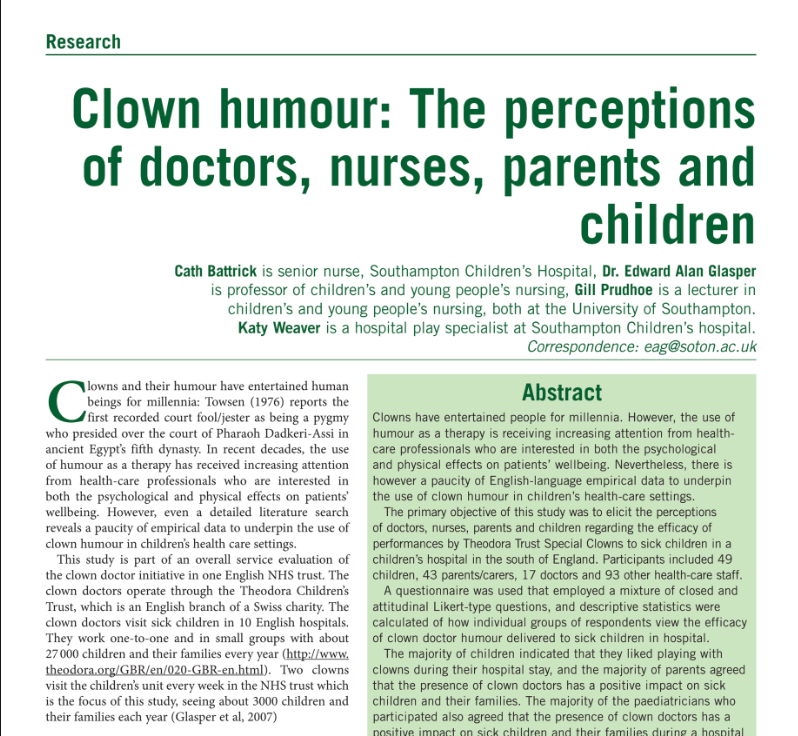
This study evaluated the efficacy of Theodora Trust clown doctors in a southern English children's hospital, surveying children, parents, and healthcare staff. While historical literature on clowning is vast, empirical data regarding its use in children's healthcare remains limited.
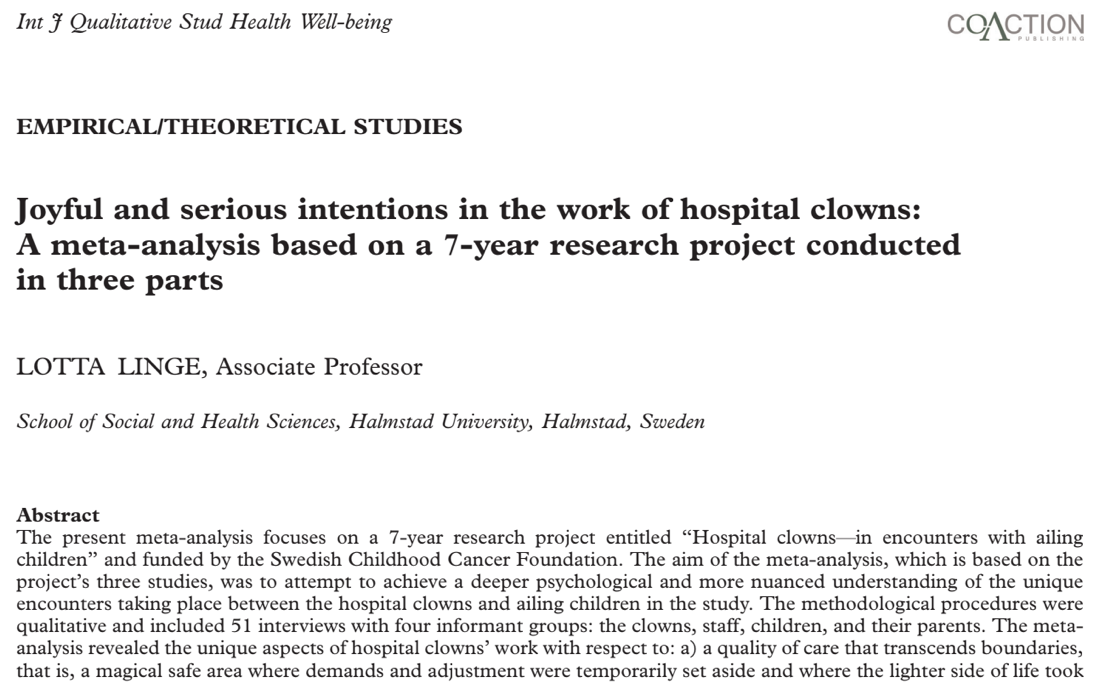
This meta-analysis examines the role of hospital clowns in the care of ailing children, drawing on a 7-year research project conducted in Sweden. The study utilized qualitative interviews with 51 individuals, including clowns, medical staff, children, and parents, to gain a deeper psychological understanding of these encounters.
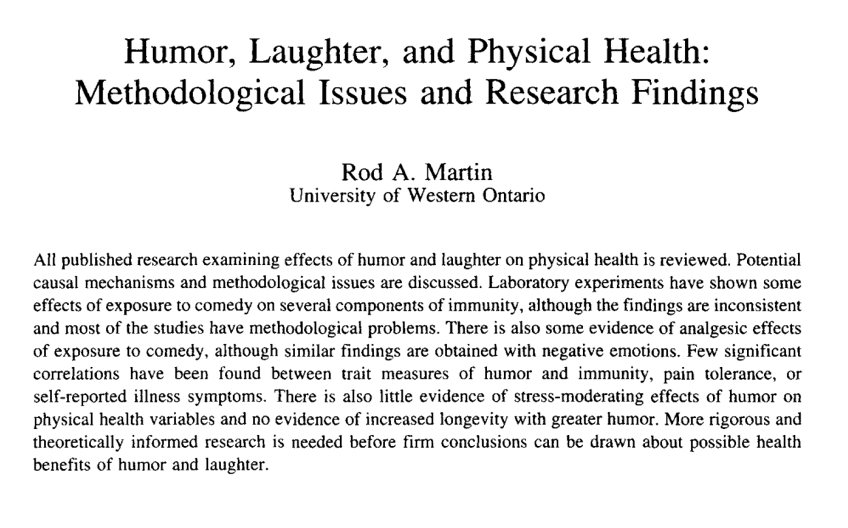
This summary reviews empirical research concerning the effects of humor and laughter on physical health, as discussed by Rod A. Martin.Overview of Research Findings
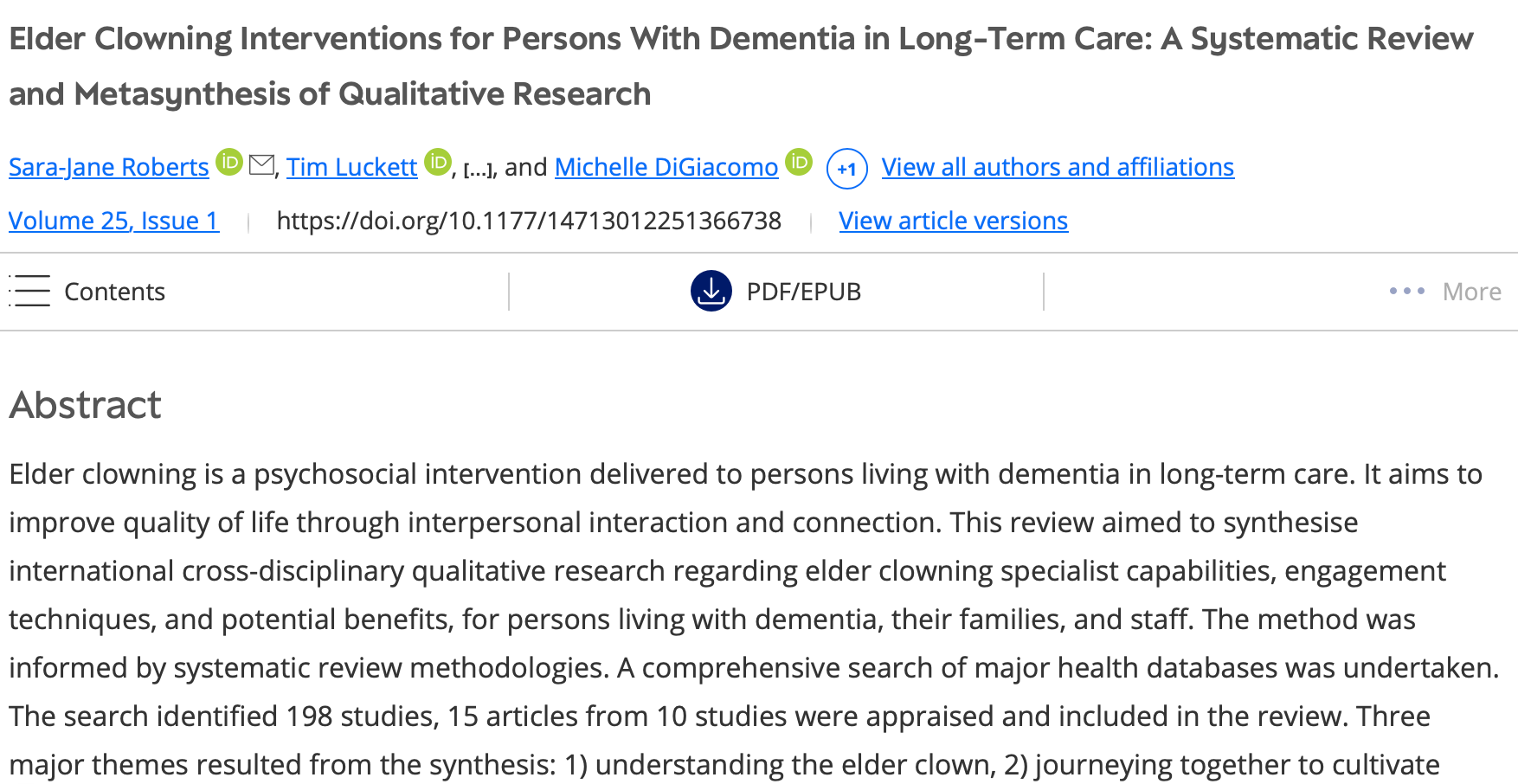
Elder clowning is a psychosocial intervention in long-term care that uses empathic, adaptive clowning to build connection with people living with dementia, supporting wellbeing across cognitive, emotional, social, and behavioural domains through meaningful interpersonal engagement.