
Masterclass Archive
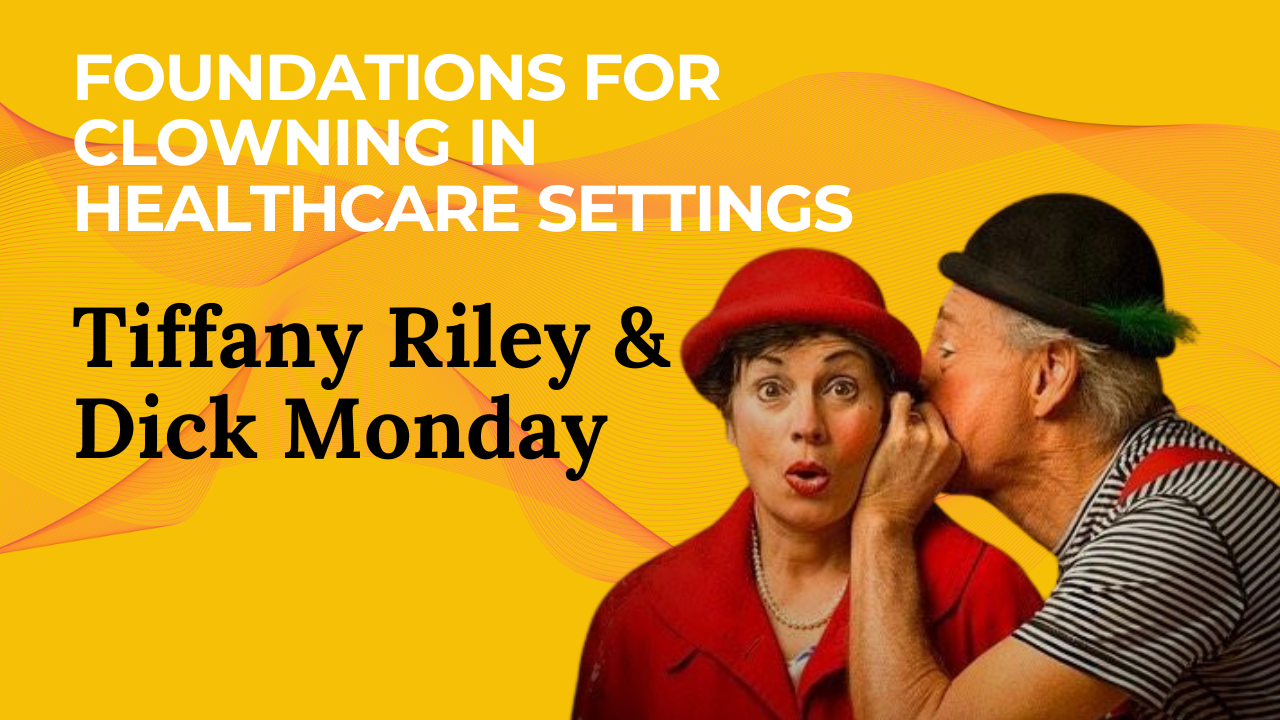
Best practice in healthcare clowning begins with partnership. Dick Monday and Tiffany Riley on deep listening, trust, contrast, and the art of saying yes in vulnerable care settings.
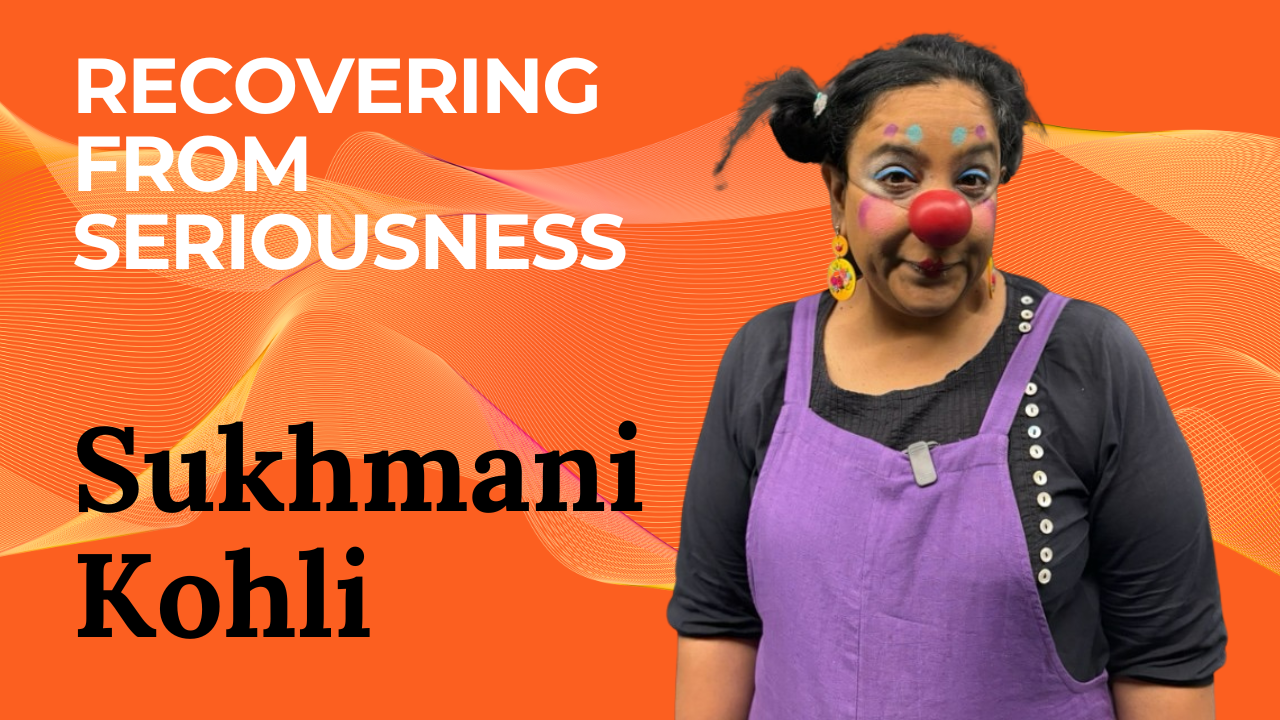
Sukhmani Kohli on loosening the grip of seriousness: how clown logic, improvisation, and saying yes to your own experience opens up new responses to the things we usually hold tightly.
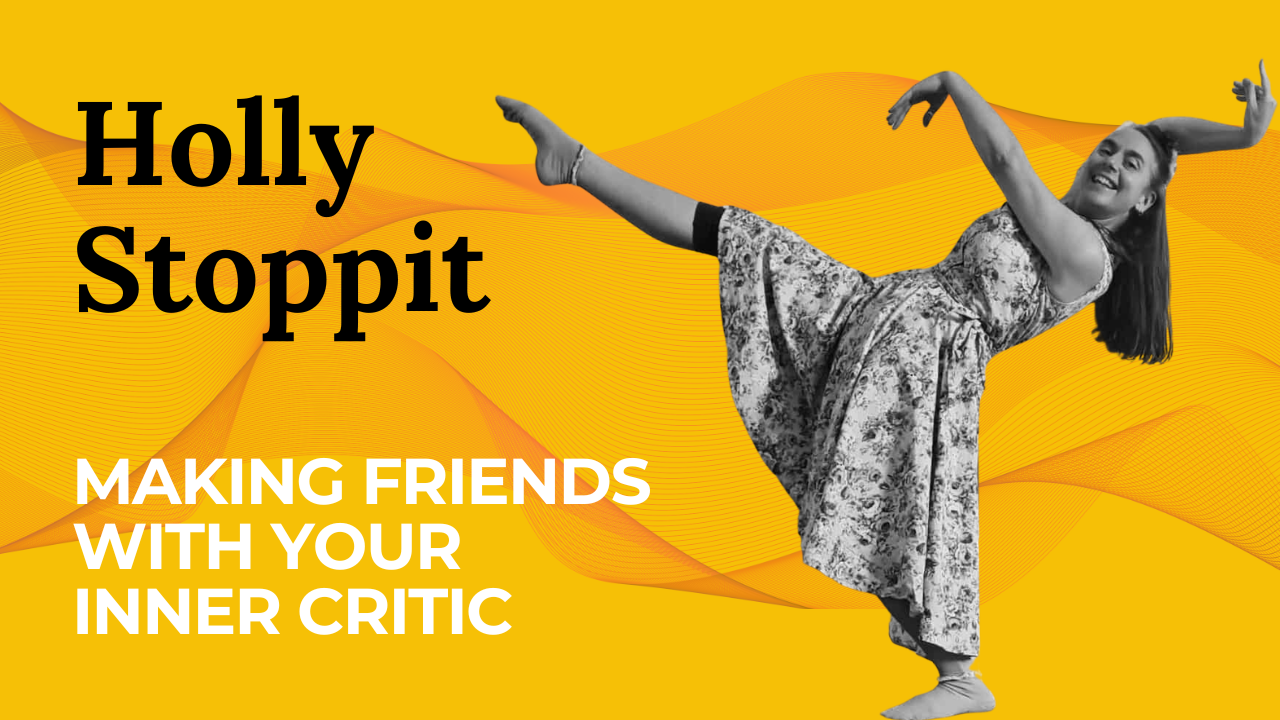
Holly Stoppit on making friends with your inner critic: what if the voice blocking your play is an over-protective friend? IFS, dramatherapy, and clowning to find out.
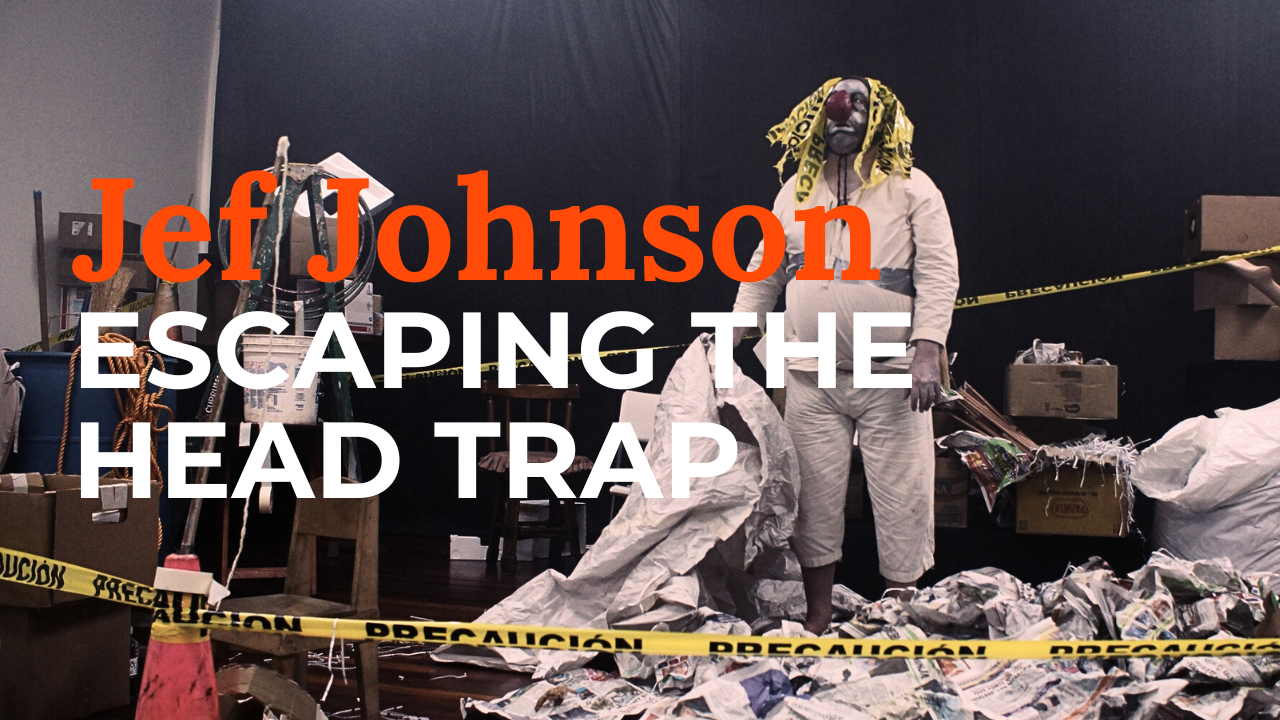
Jef Johnson on escaping the tyranny of labels, definitions, and social fear to find the flow state where real play begins.
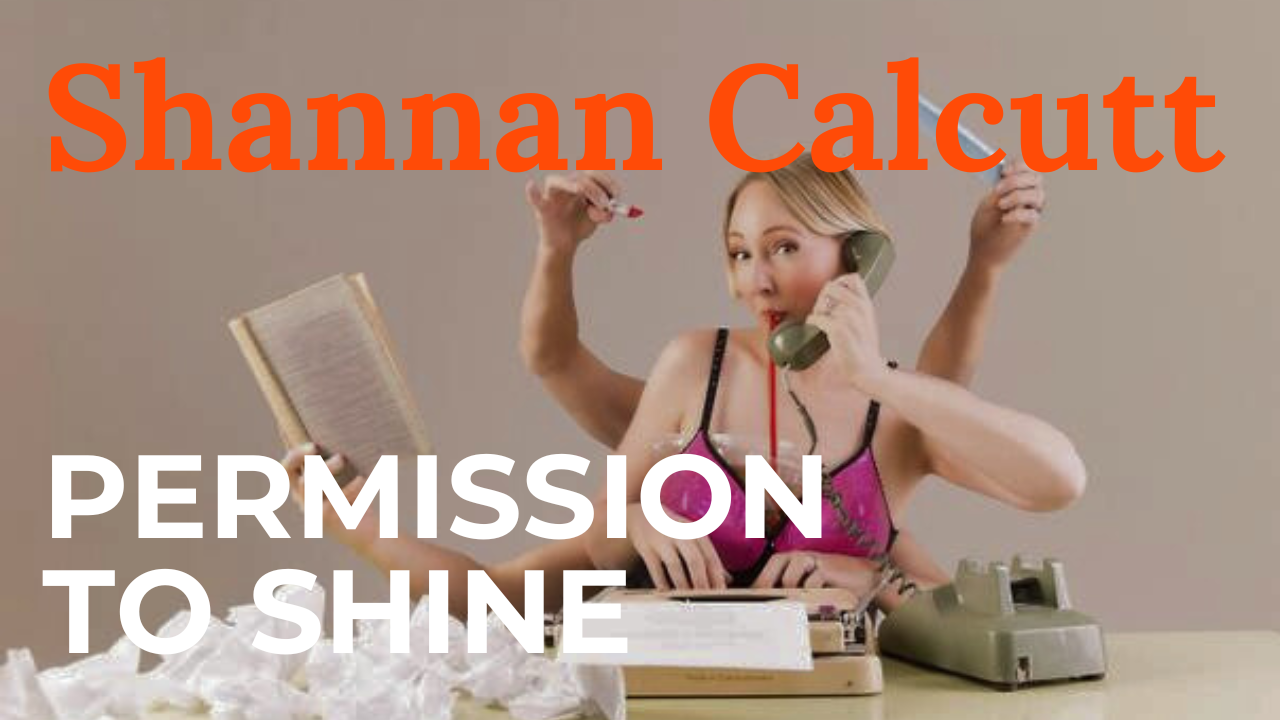
Embrace and celebrate your truest, most authentic self ~ flaws and all ~ and discover the freedom that ignites when we risk being seen in all our glory.
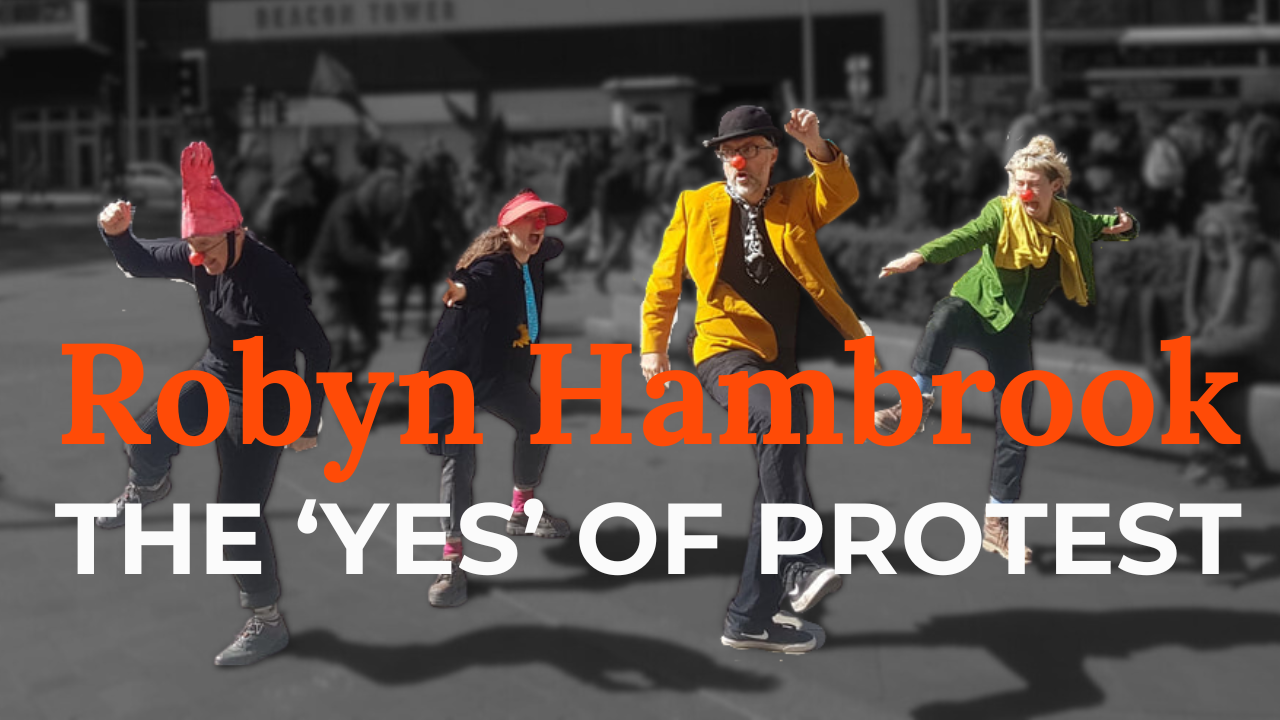
Forget no. Robyn Hambrook explores protest as a YES, creating playful collective spaces that demonstrate, not just demand, the world we want.
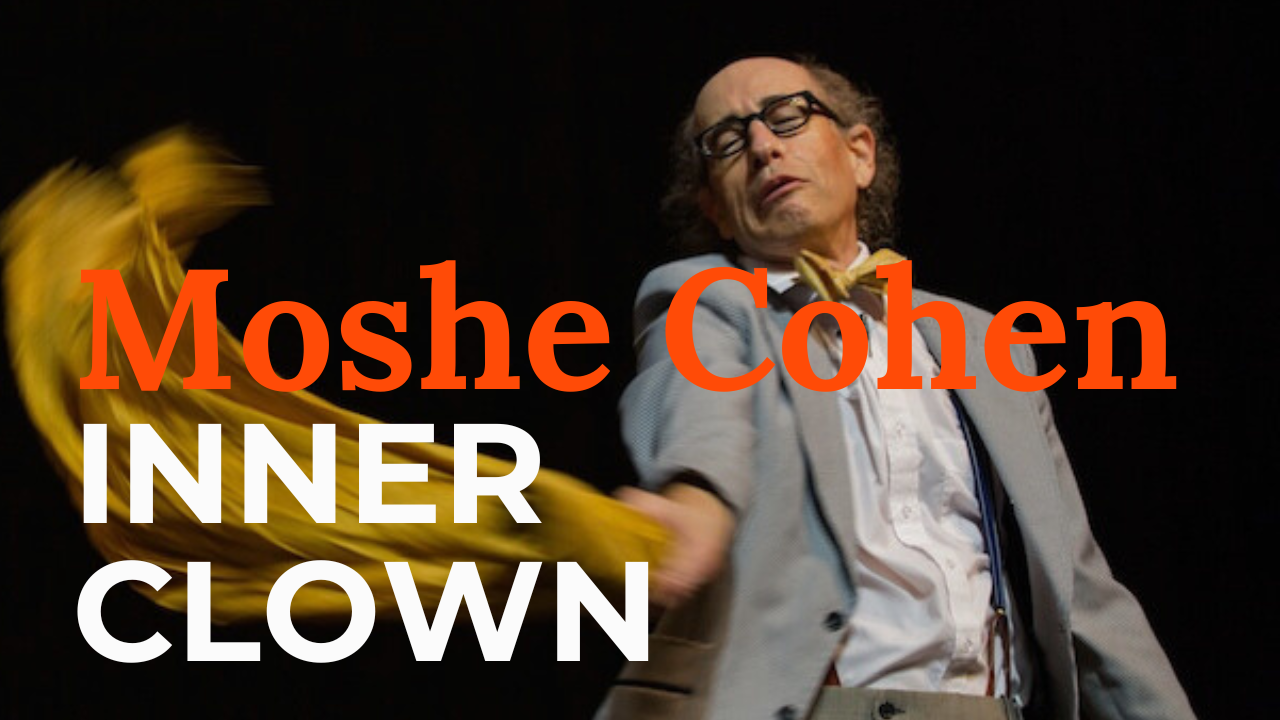
Moshe Cohen on "lightfulness": where Zen Buddhism meets clown to offer a genuine breather from the hectic everyday and a path back to joyful presence.
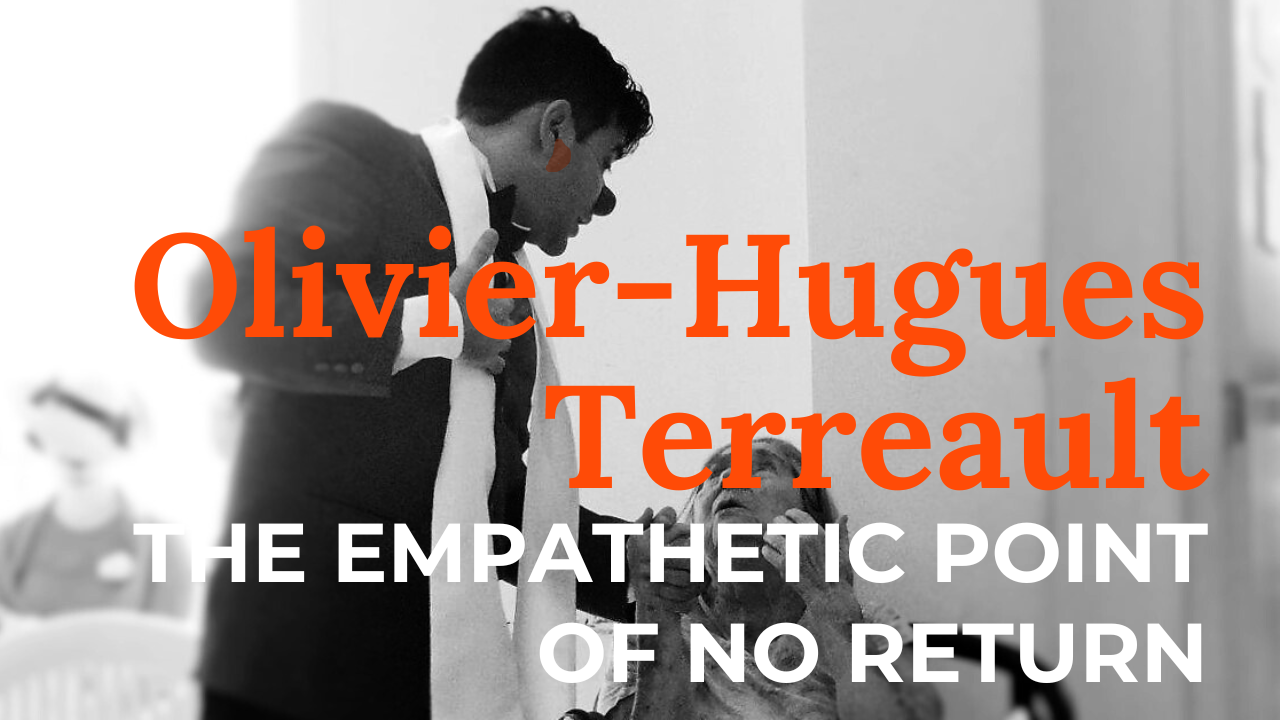
Olivier-Hugues Terreault unpacks how to engage a playful and emotional conversation in a one-on-one relationship, gradually creating an empowering celebration of the other.
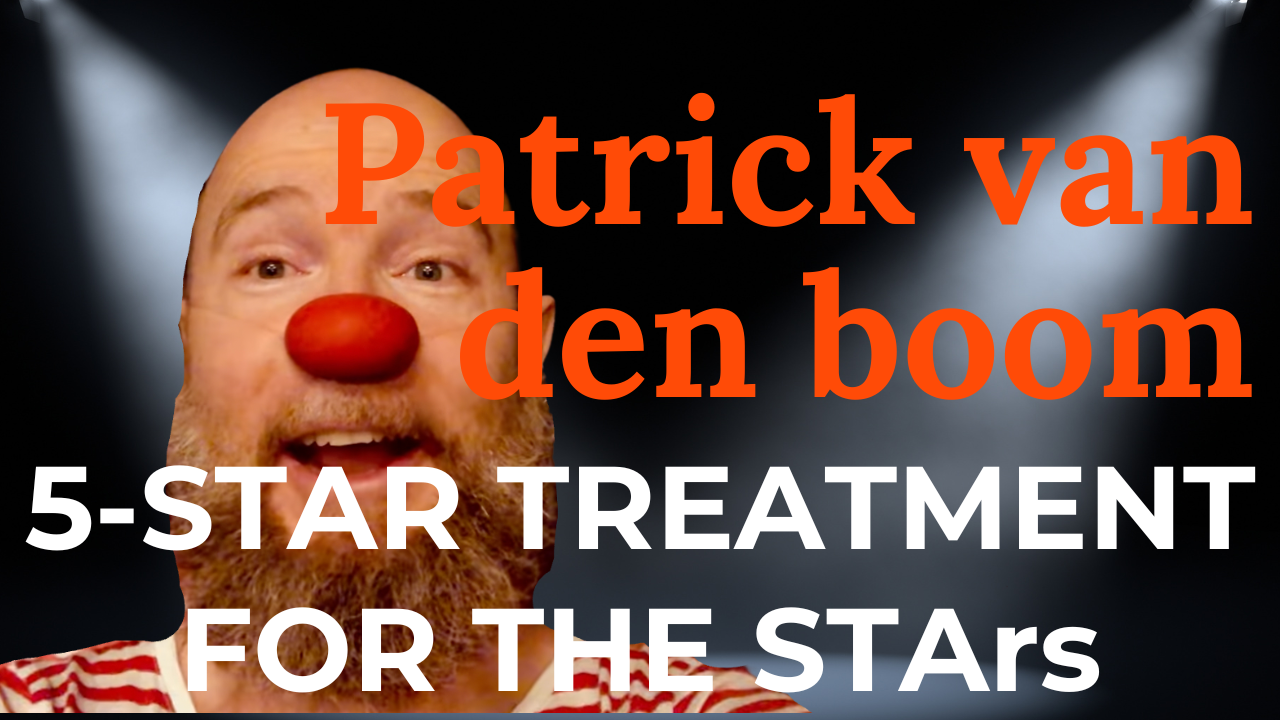
Patrick van den Boom's method for working with seniors with dementia that opens into a masterclass on love, presence, and generous play.
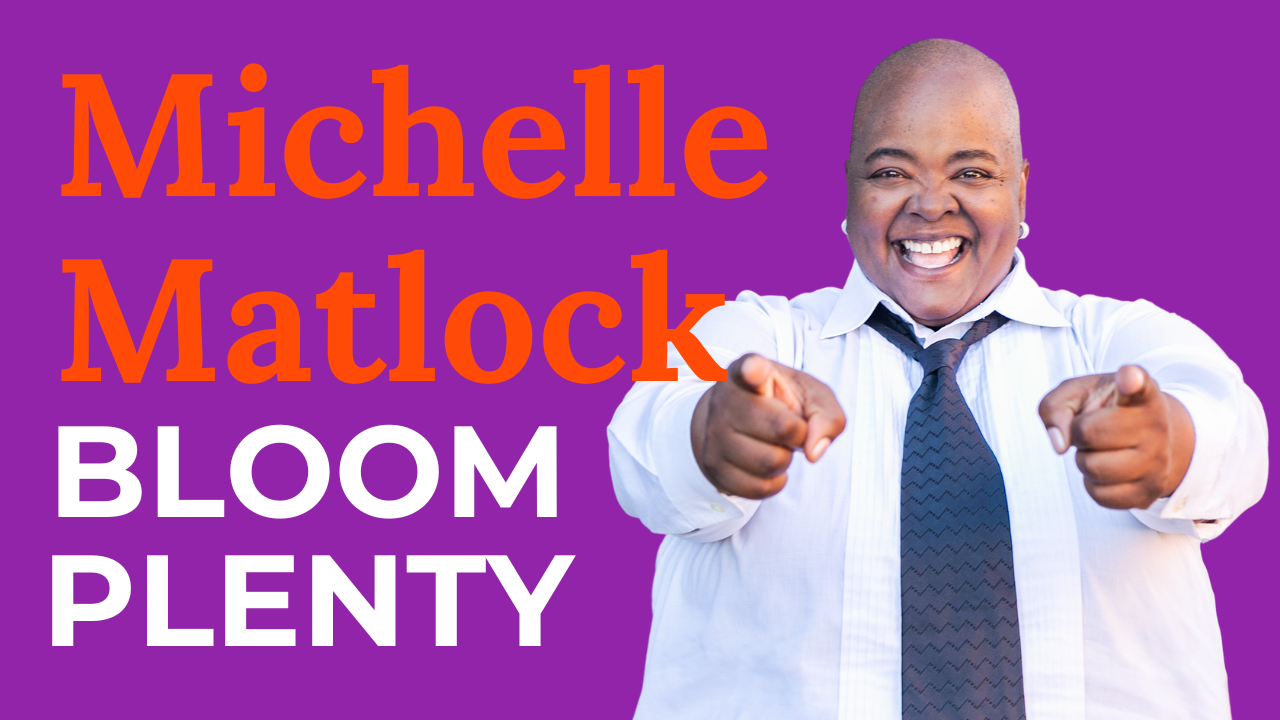
BLOOM PLENTY brings Michelle's long experience as a clown (with Cirque Du Soleil among others) to bear on the business of getting over your own limits as an artist or creative.
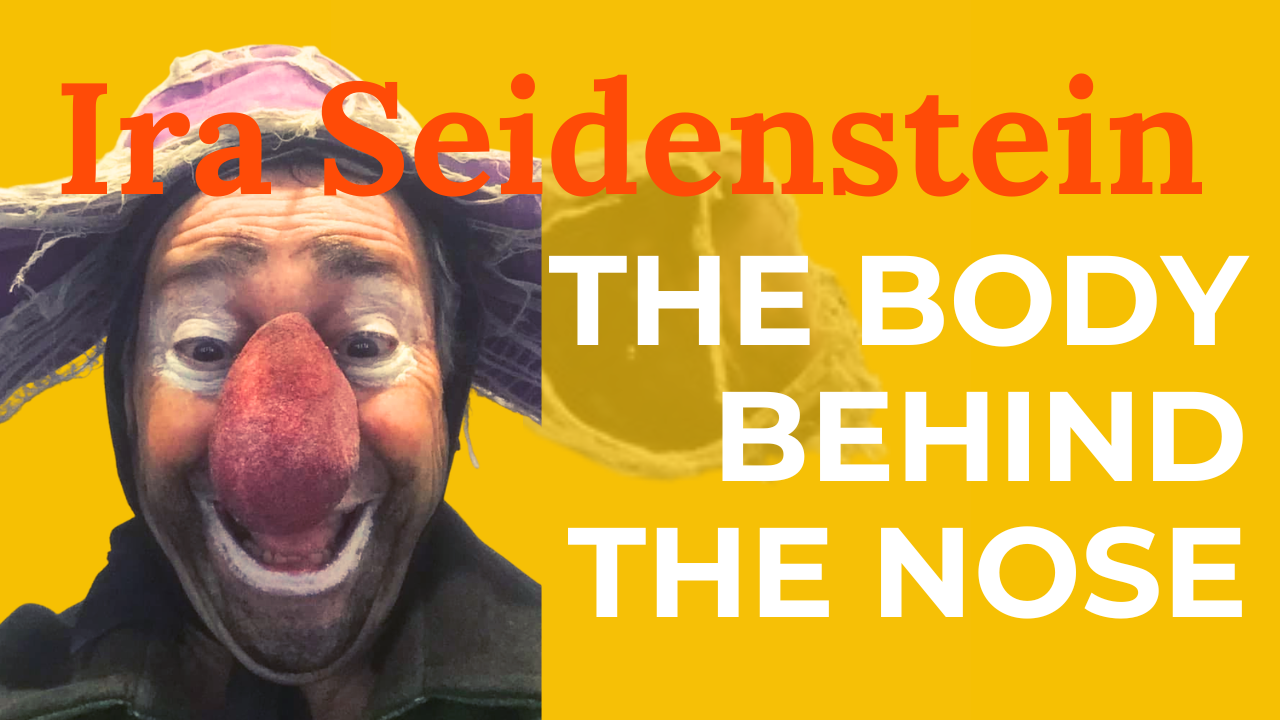
Cirque du Soleil veteran, encyclopedic clown scholar, and creator of a unique physical theatre method, Ira Seidenstein shares some brand new red nose exercises.
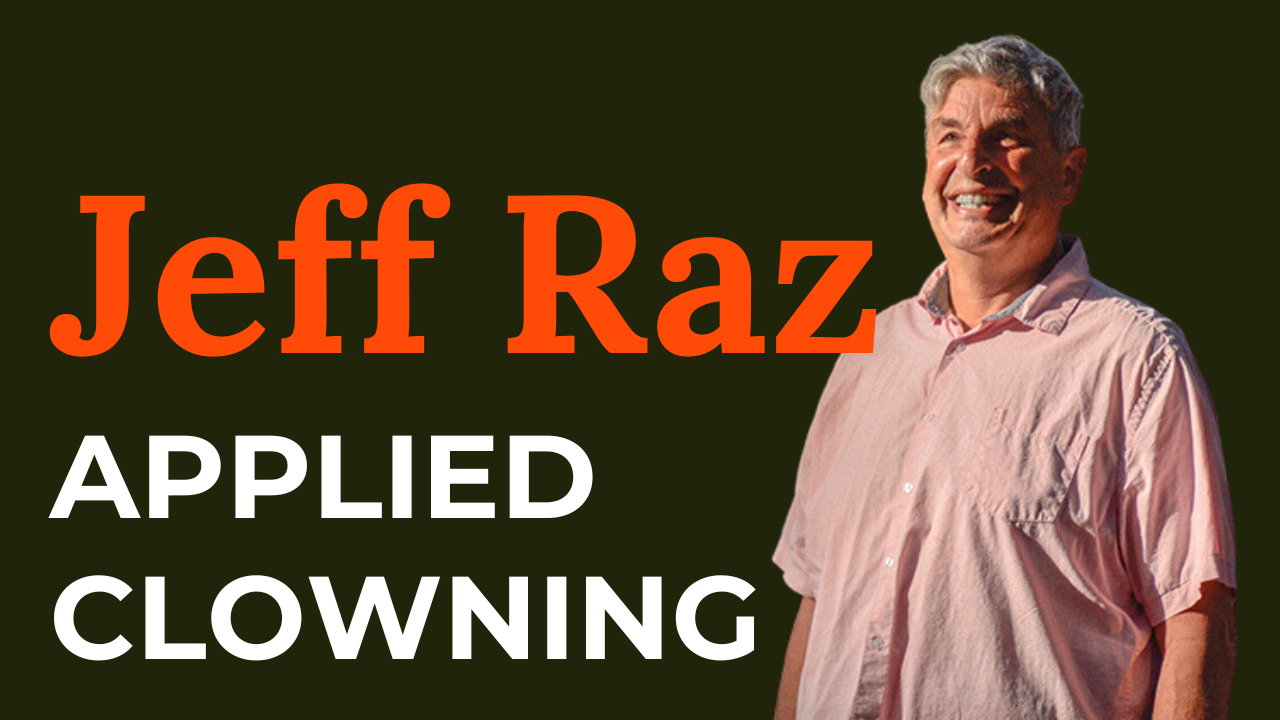
Turn mistakes into gold. Jeff Raz brings forty years of clown mastery to bear on communication, relationships, and leadership in a rare, hands-on masterclass.
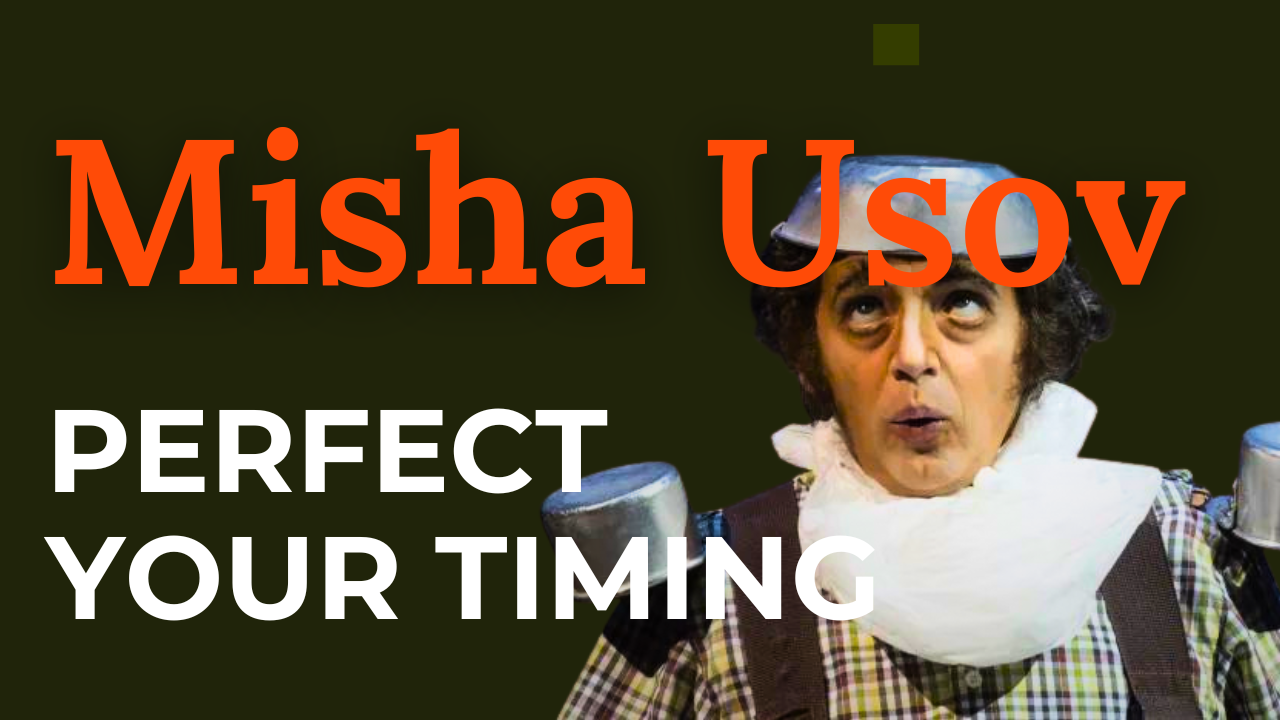
The clown lives on the exhale. Misha Usov on timing as the pulse beneath all great clown work, and why doing one thing at a time changes everything.
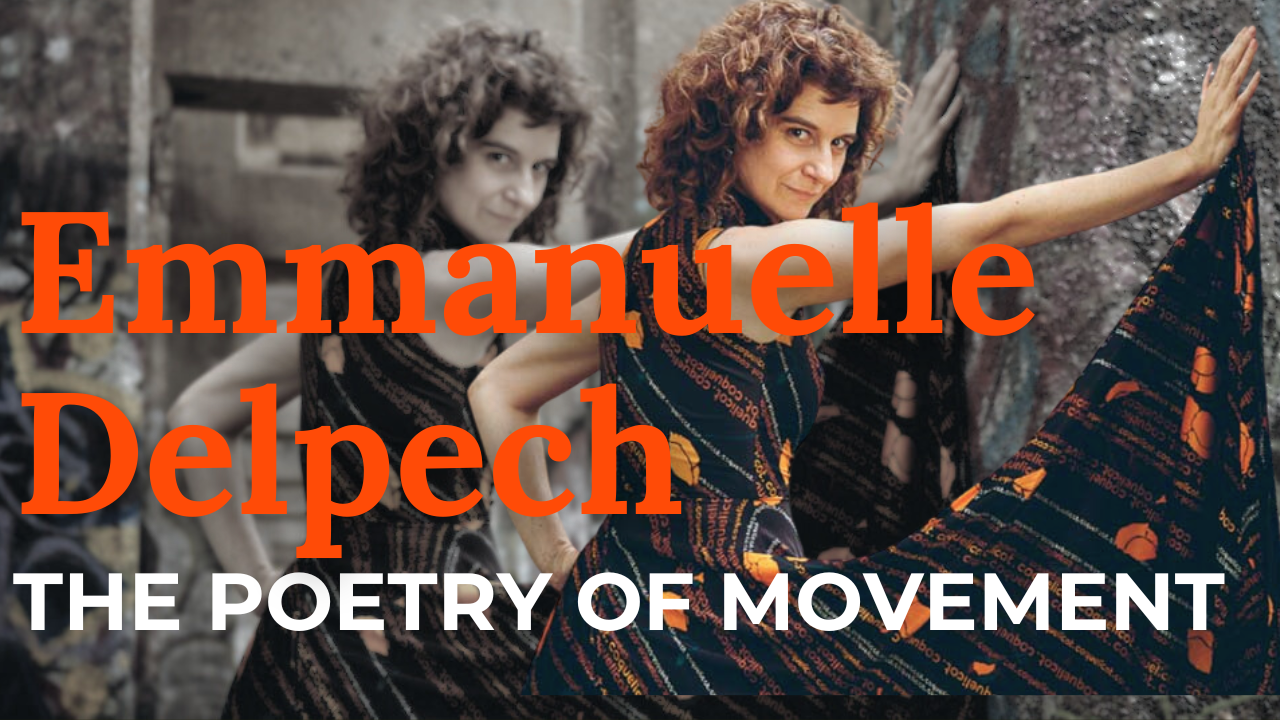
Emmanuelle bring us the Lecoq pedagogy and a session on the poetry of movement, which is the foundational practice and preparation for entering the clown.
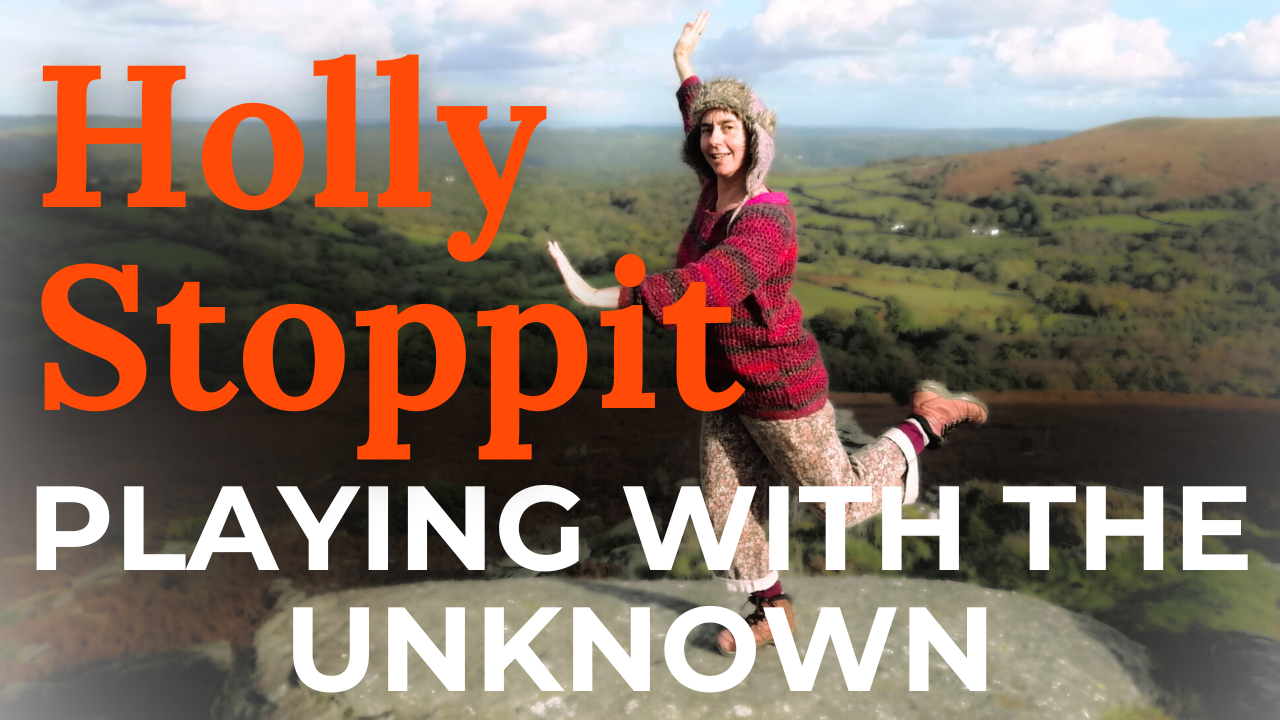
A masterclass combining clowning, meditation, and Internal Family Systems to help you meet your inner voices, find your footing, and play at the edge of what you know.
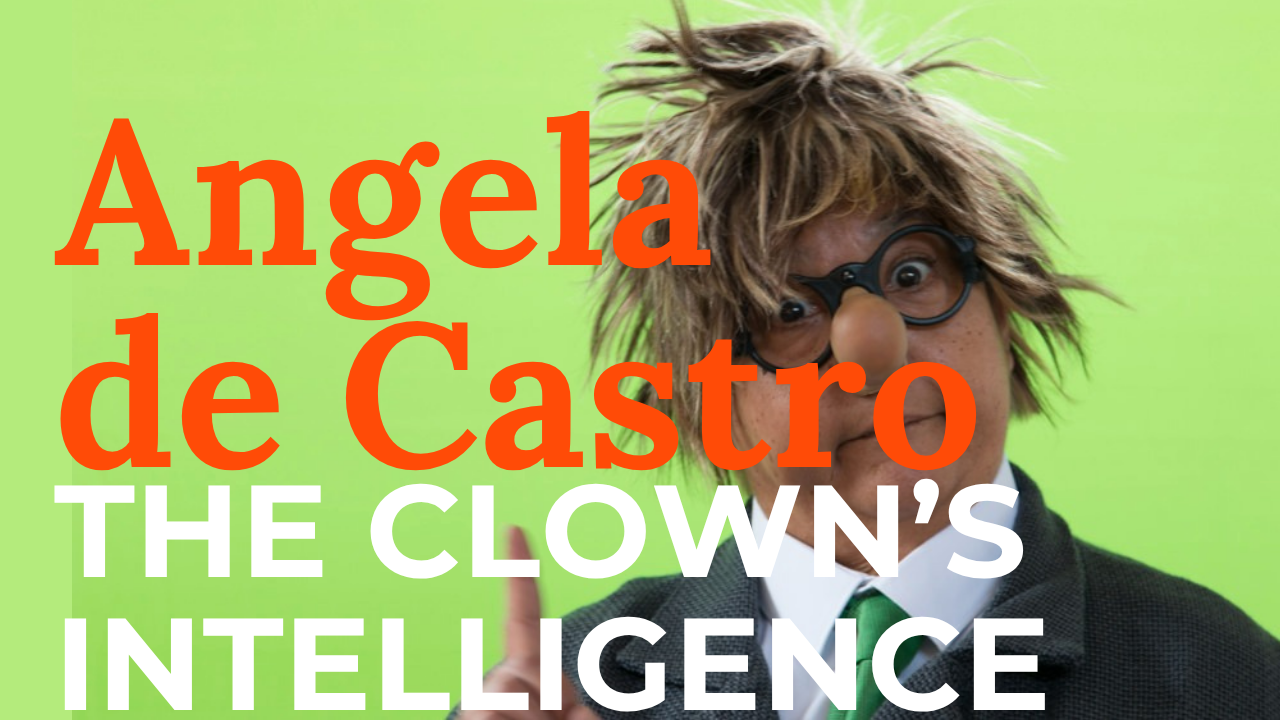
Olivier Award-winner Angela de Castro on the clown's intelligence: techniques to silence your own intrusive thoughts, maintain your clown's inner monologue, and find the voice that audiences love to follow.
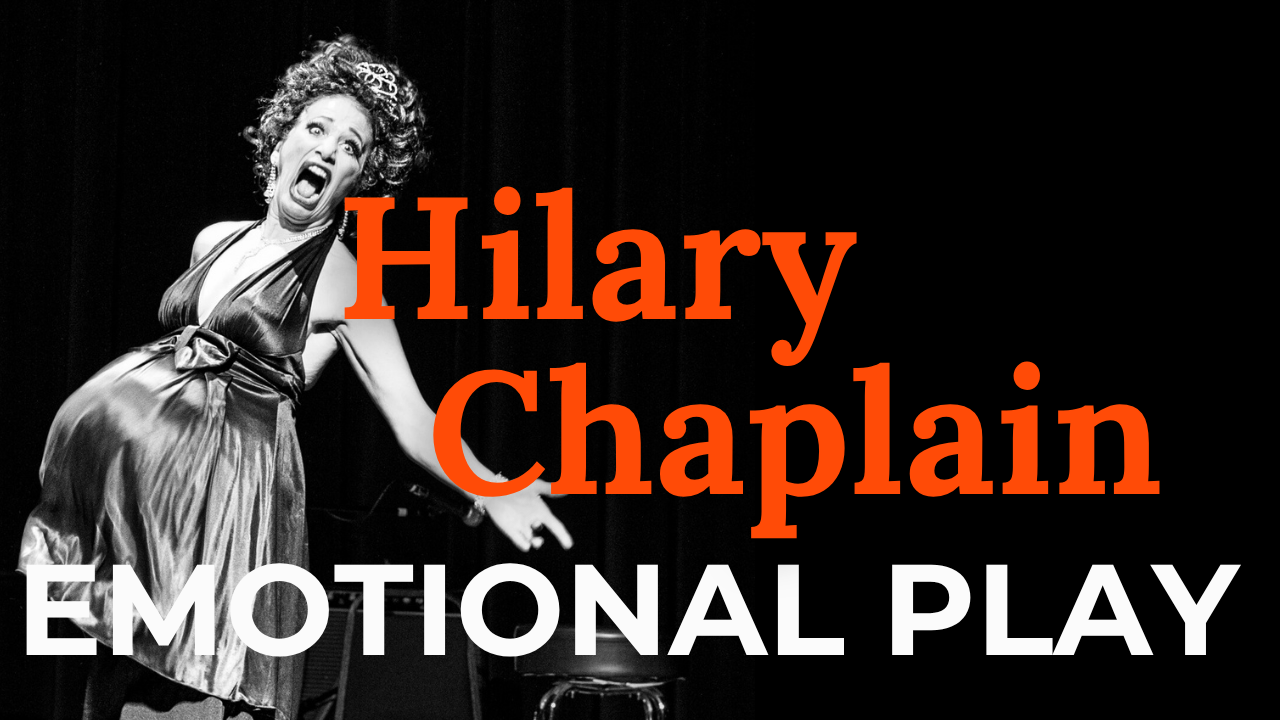
Hilary Chaplain on feelings as a painter's palette: joyful, expressive, and entirely free of psychological excavation. A masterclass in using emotion as a tool rather than a territory to explore.
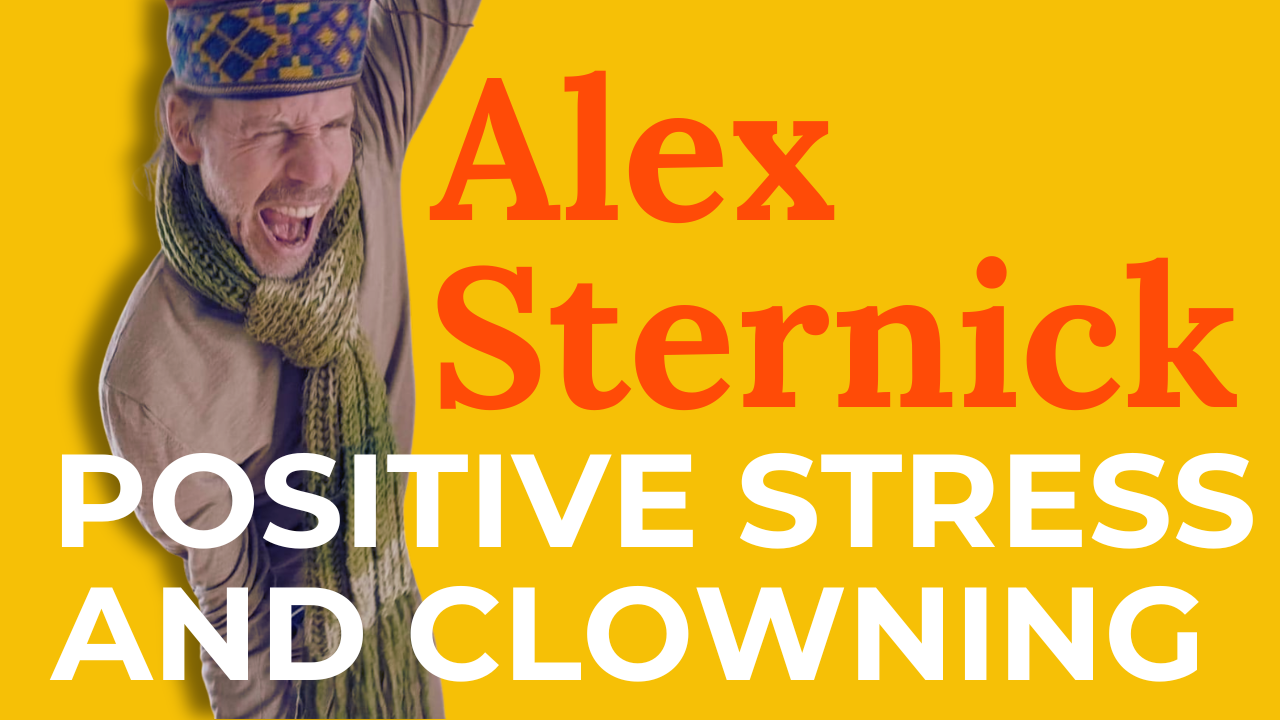
Stop running from discomfort. This masterclass uses clown, gibberish, and Positive Stress to train the muscle of resilience and turn your stressors from ambush into invitation.
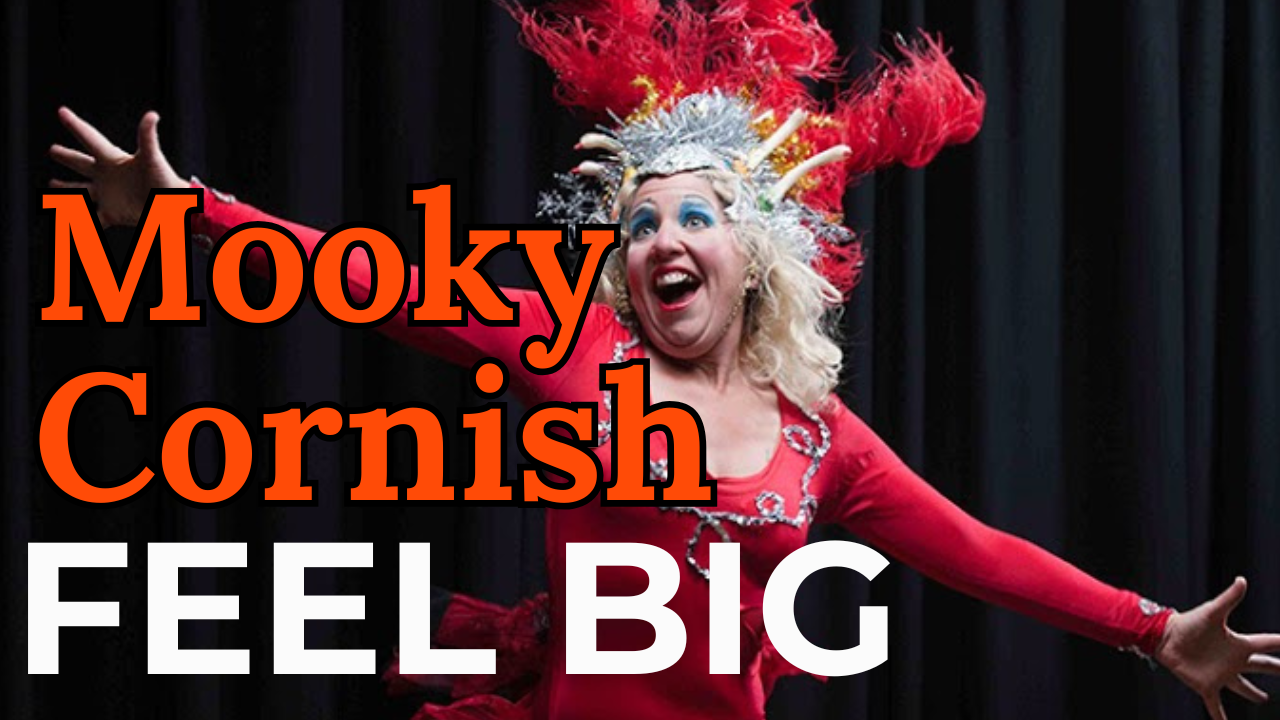
You have more emotional range than you think. Mooky Cornish on using music, space, and the anarchic freedom of clown to reach new heights of expression, inspired and challenged by the group around you.
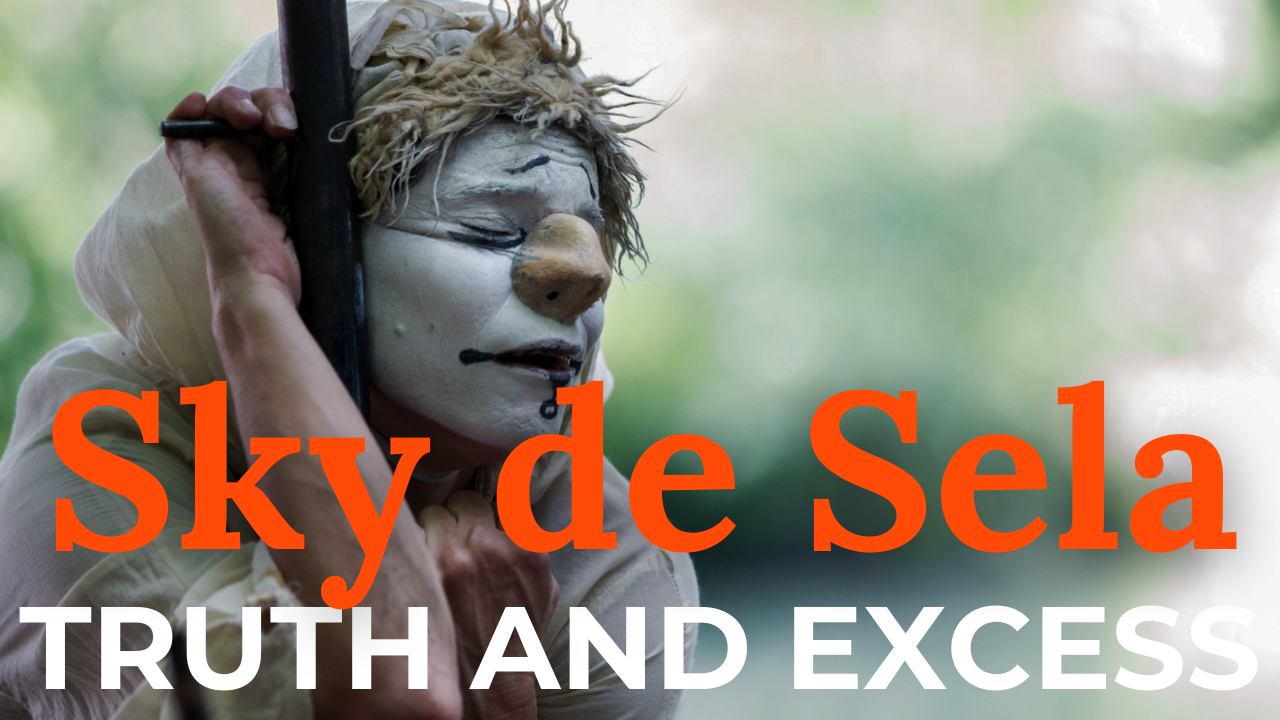
The first in a three-part series with Sky de Sela, Truth and Excess explores Simplicity and Complexity: from the quiet permeability of the present moment into splendid emotional chaos and the full range of clown expression.
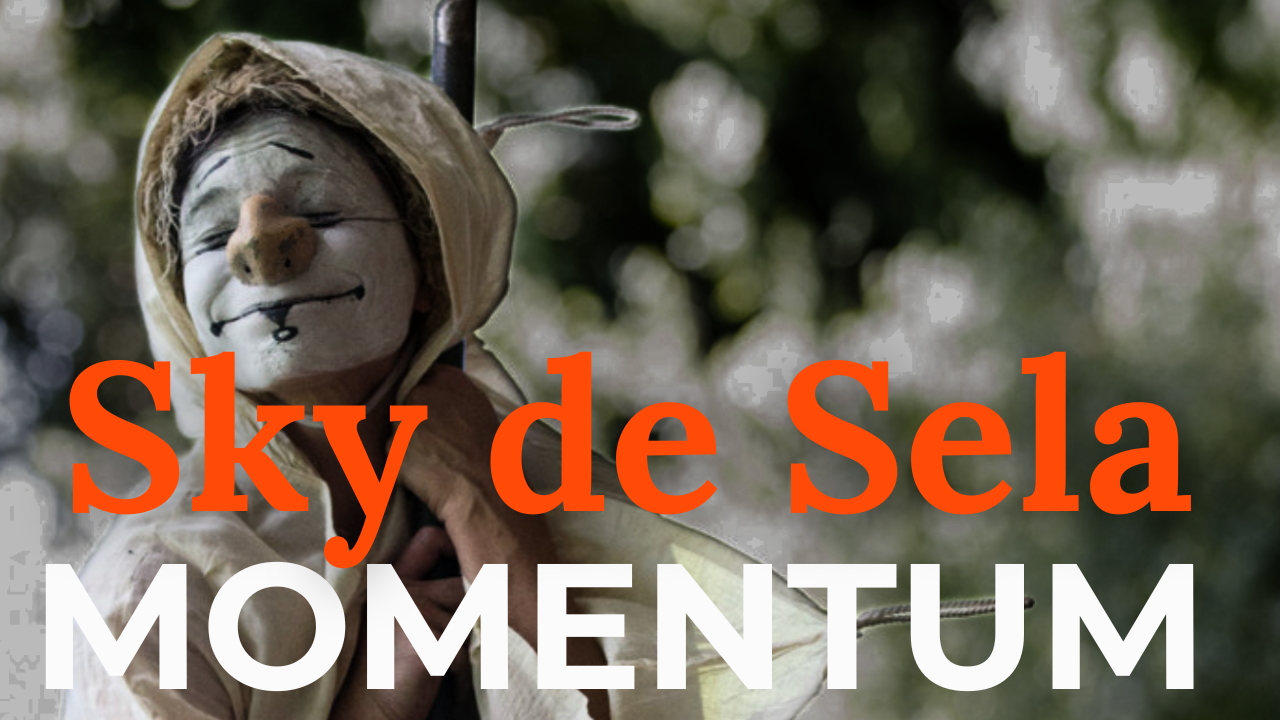
The second in Sky de Sela's three-part series. What if you stopped thinking it through? On stripping away polite, reasonable layers to find the authentic impulse that is the real source of clown action.
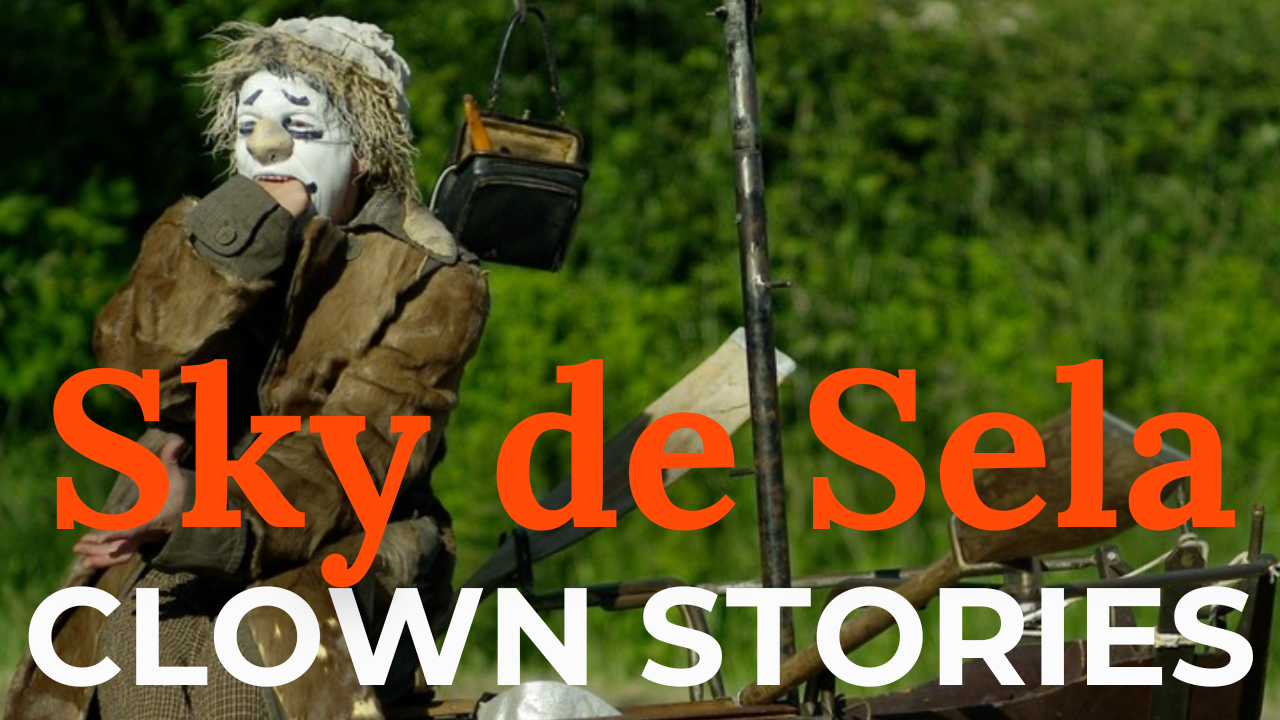
The third in Sky's three-part series. On taking personal stories and giving them to the clown: how to find enough distance from lived experience to let it shift, swell, and become something instinctive and transformative.
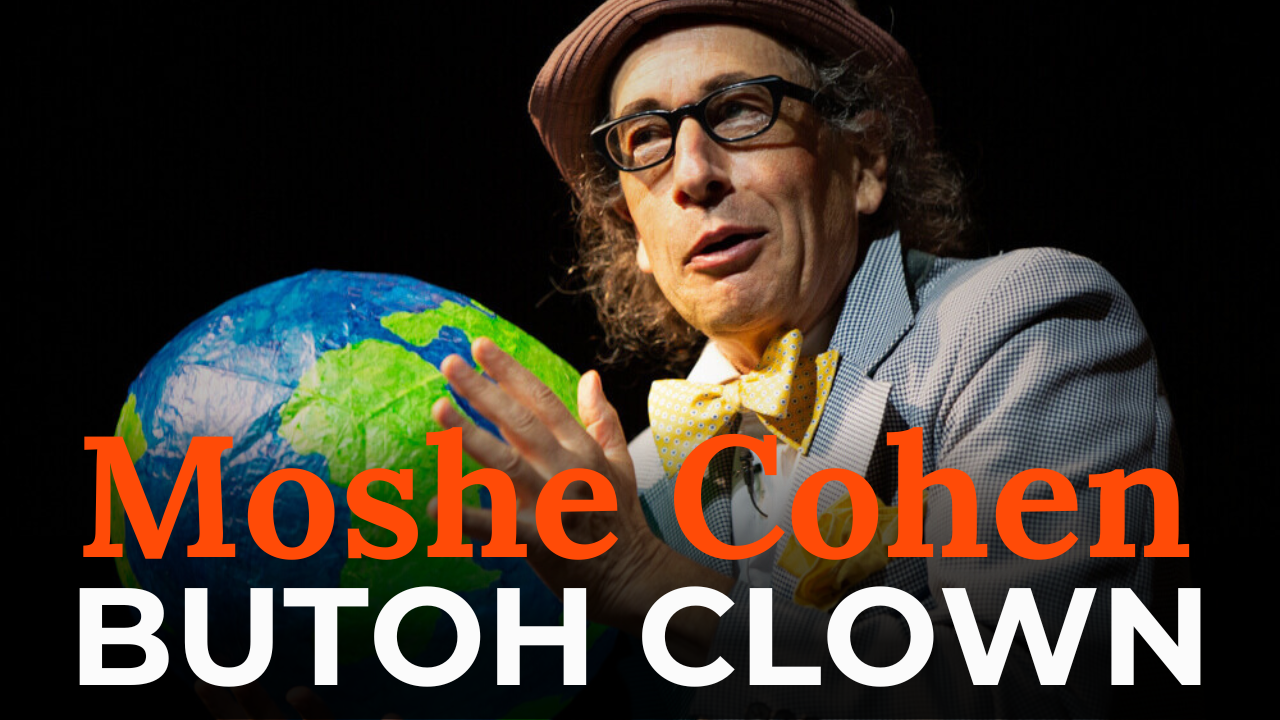
Pochinko-inspired clowning meets Butoh's intense slowness and Zen practice. Practical, replicable exercises that deepen presence, awareness, and the small moments full of secrets.
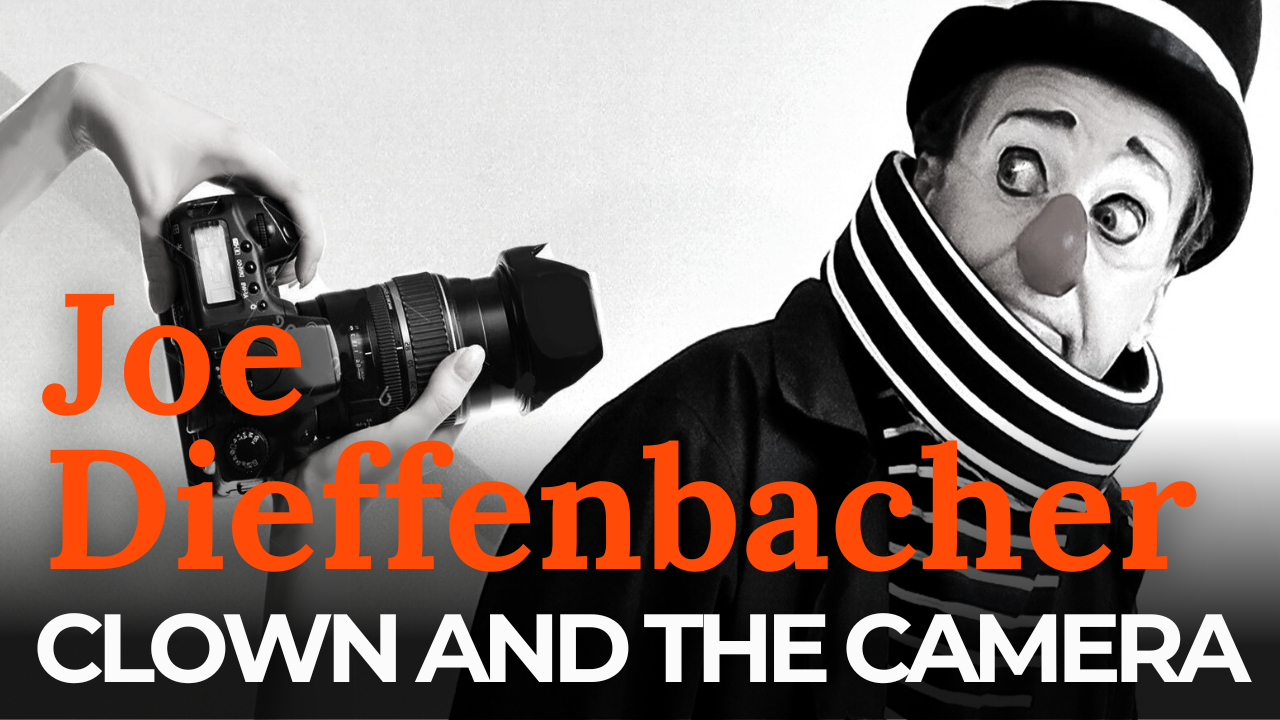
Joe Dieffenbacher on the camera as clown partner: friend, adversary, comic foil. A masterclass on using the frame, the lens, and the screen as tools for physical comedy and imaginative play.
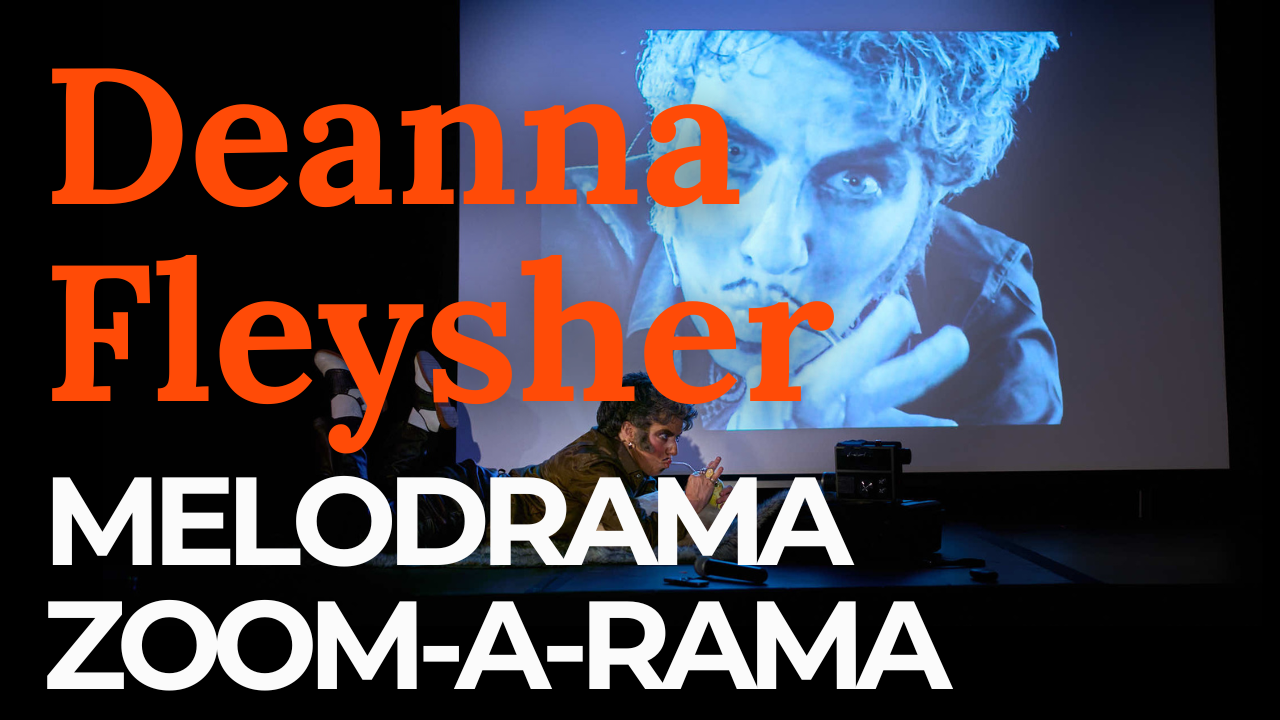
Deanna Fleysher on high camp on-screen play: A workout in DIY cinematography, full-body improvisation, and getting wild for the camera.
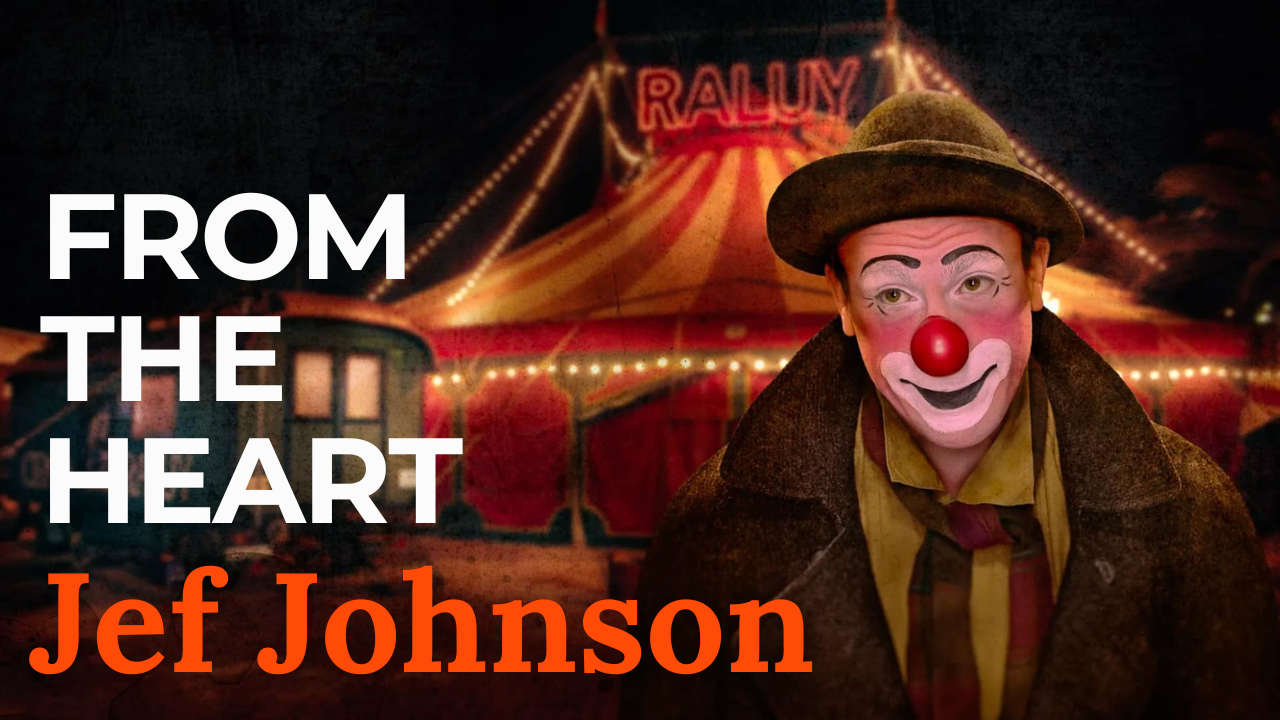
Jef Johnson on heart resonance and clown: how surrendering social expectation, fear of judgement, and the need to get things right opens up a deeper, more connected form of play.
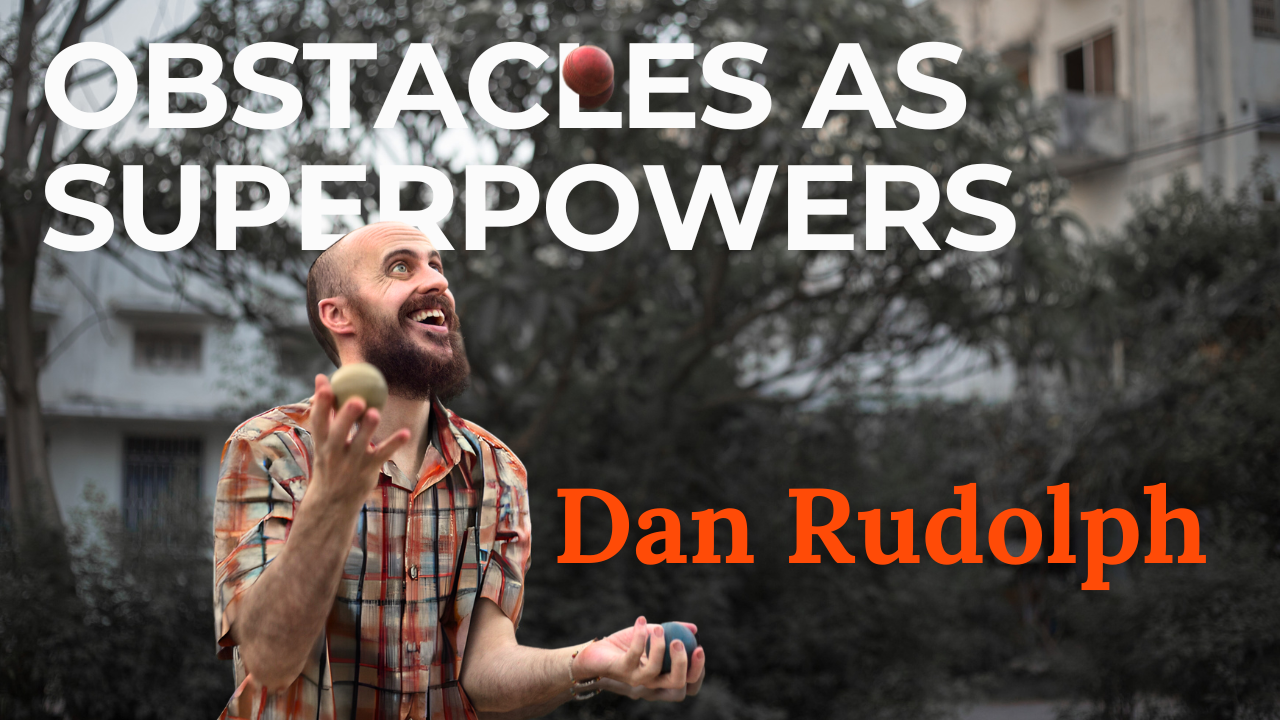
Dan Rudolph on Unified Playfulness: integrating clown, mindfulness, and a decade of play-based practice to explore how our shortcomings and distractions can become sources of strength and absurdity.
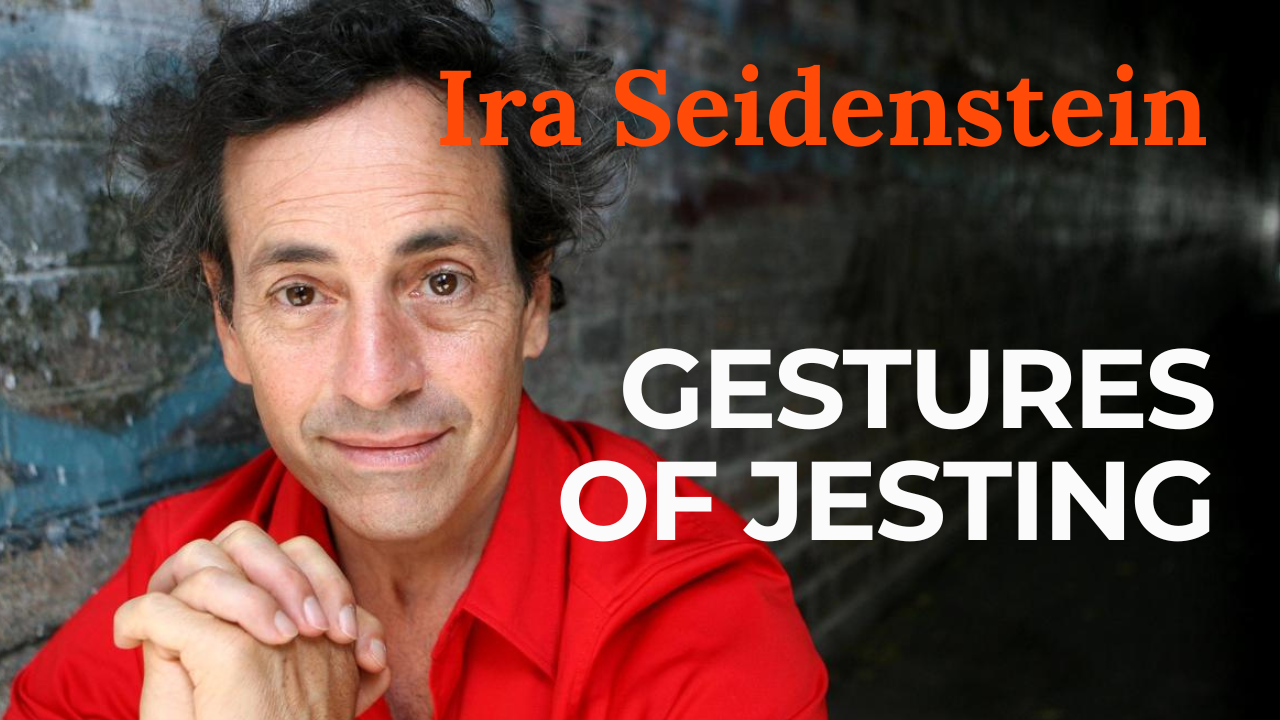
Ira Seidenstein on whole-body gesture and the clown secret of Jesting: practical exercises rooted in Vakhtangov's acting discoveries and ballet's port-de-bras technique leading to authentic creative expression.
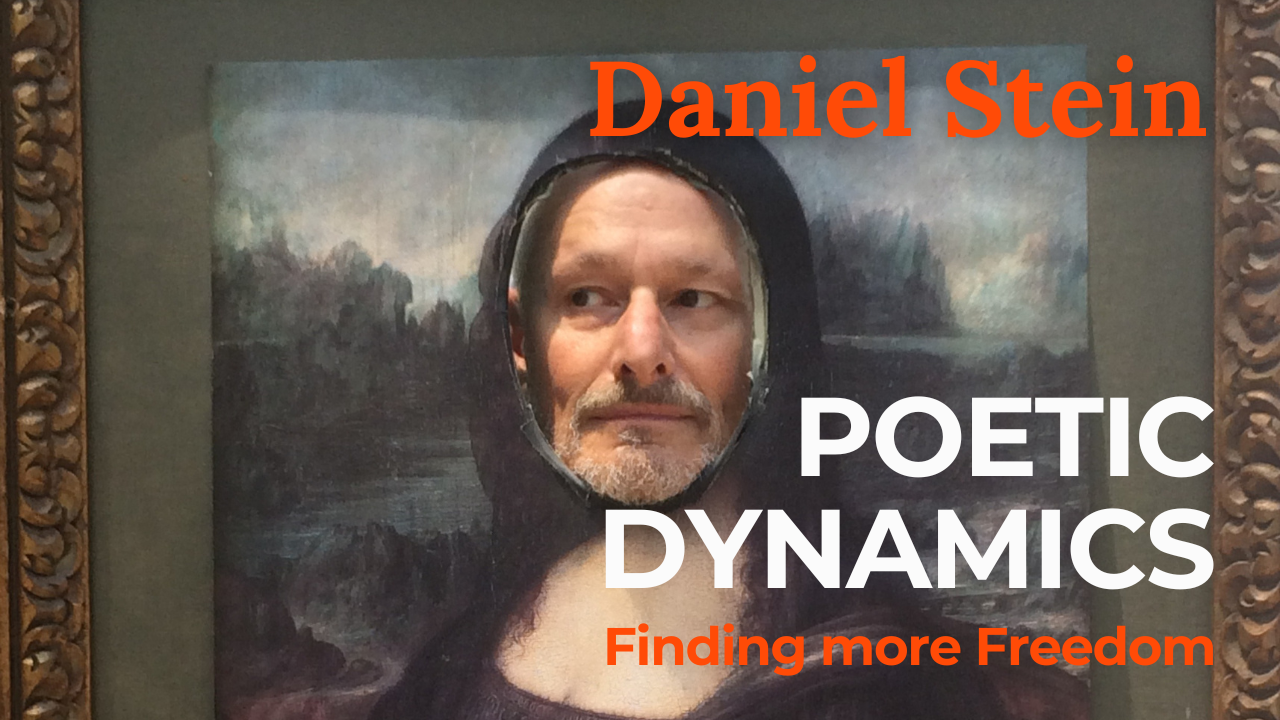
Daniel Stein on sensation, reflection, and refraction in art: how deeply savoring the present moment, resisting premature editing, and embracing the unknown unlocks genuine creative expression.
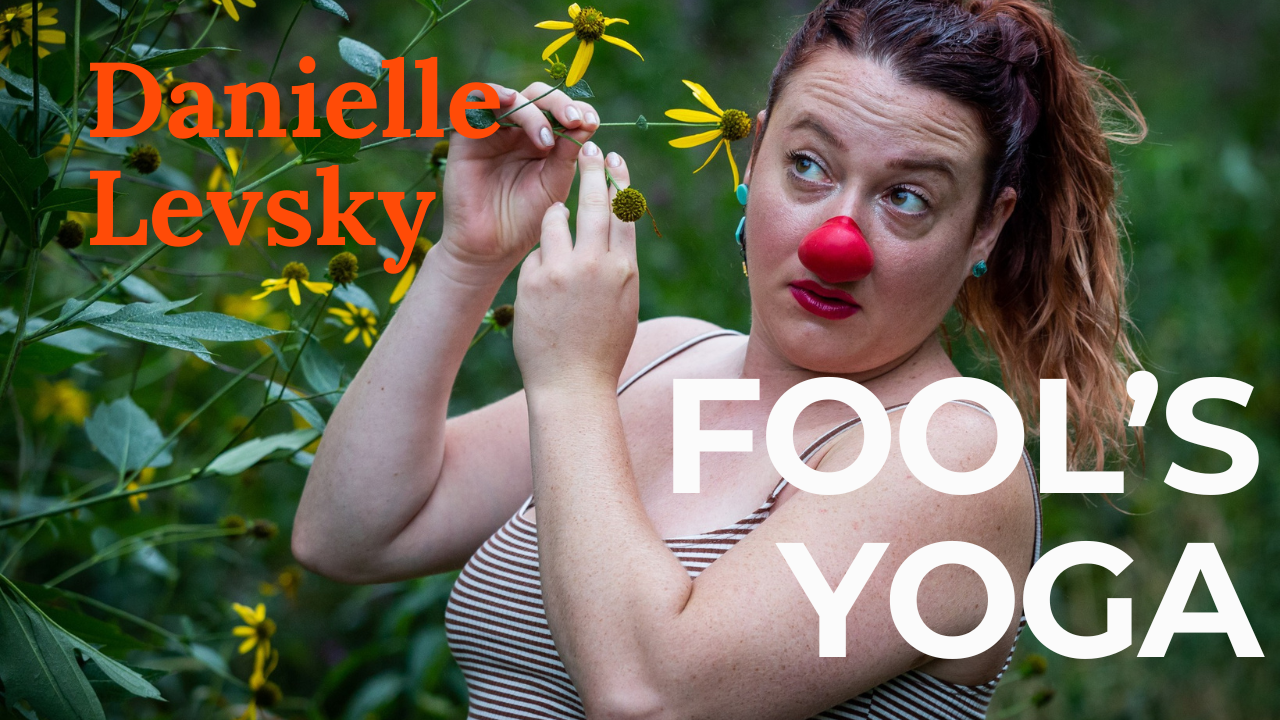
Danielle Levsky on Fool's Yoga: familiar yoga asanas transformed through the red nose perspective into investigations of vulnerability, self-discovery, and joyful expression.
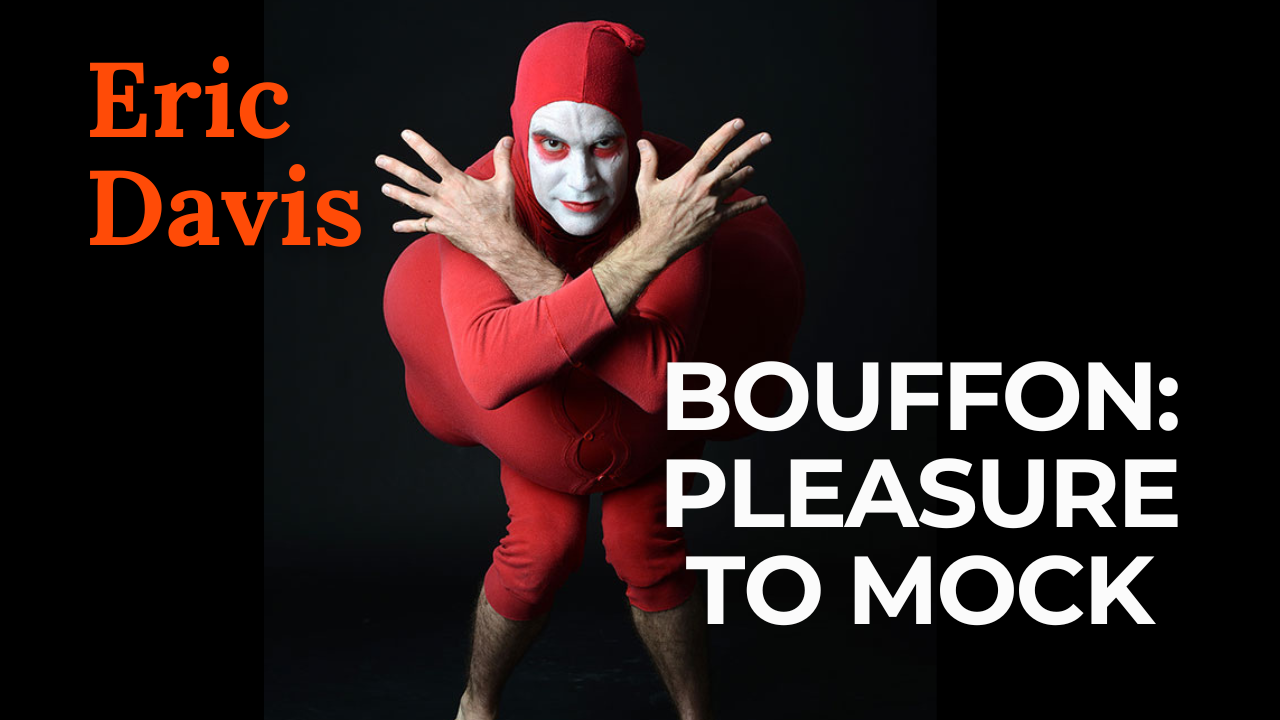
Cirque du Soleil clown and creator of Red Bastard, Eric Davis on Bouffon: grotesque satire, the mad pleasure of mockery, and the difference between making fun of and making fun from.
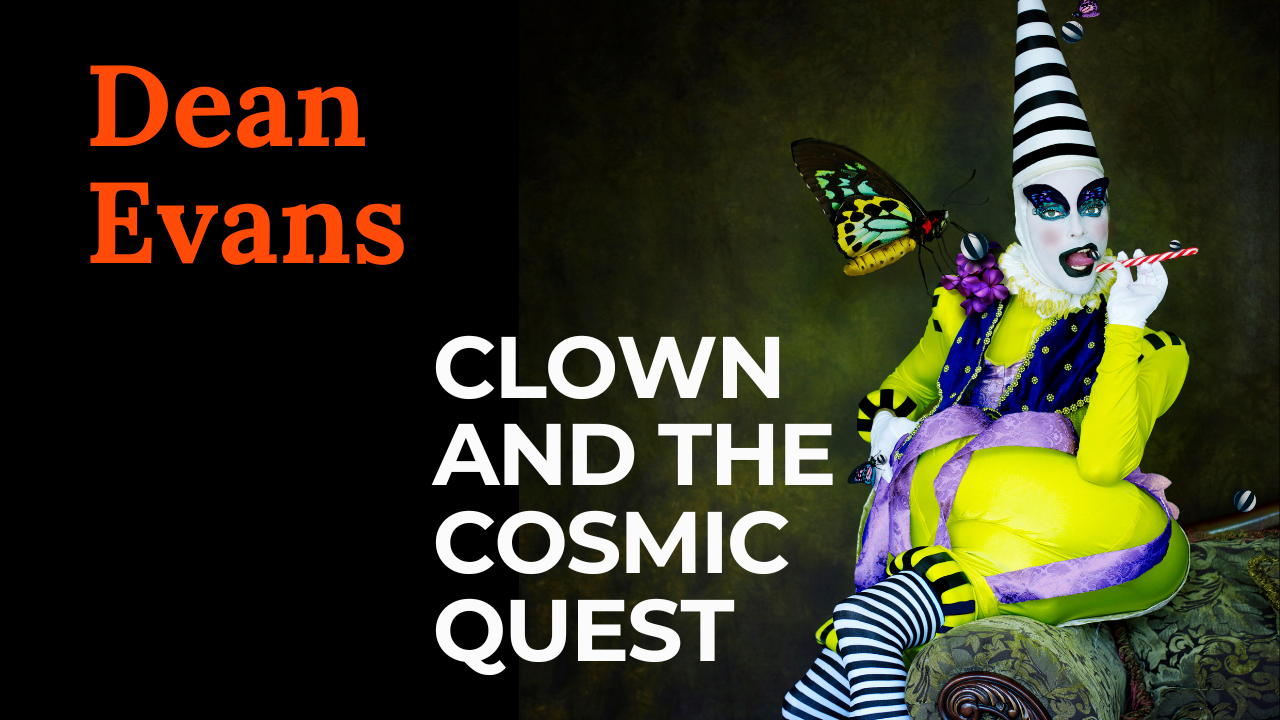
Dean Evans on the cosmic nature of clown: deep listening, the rhythm of coming and going, and the joy of vulnerability explored through slapstick, improvisation, and physical play.

Sabine Choucair on clowning as connection: rooted in work with refugee camps and crisis communities, a masterclass in presence, empathy, and play as tools for meaningful human expression.
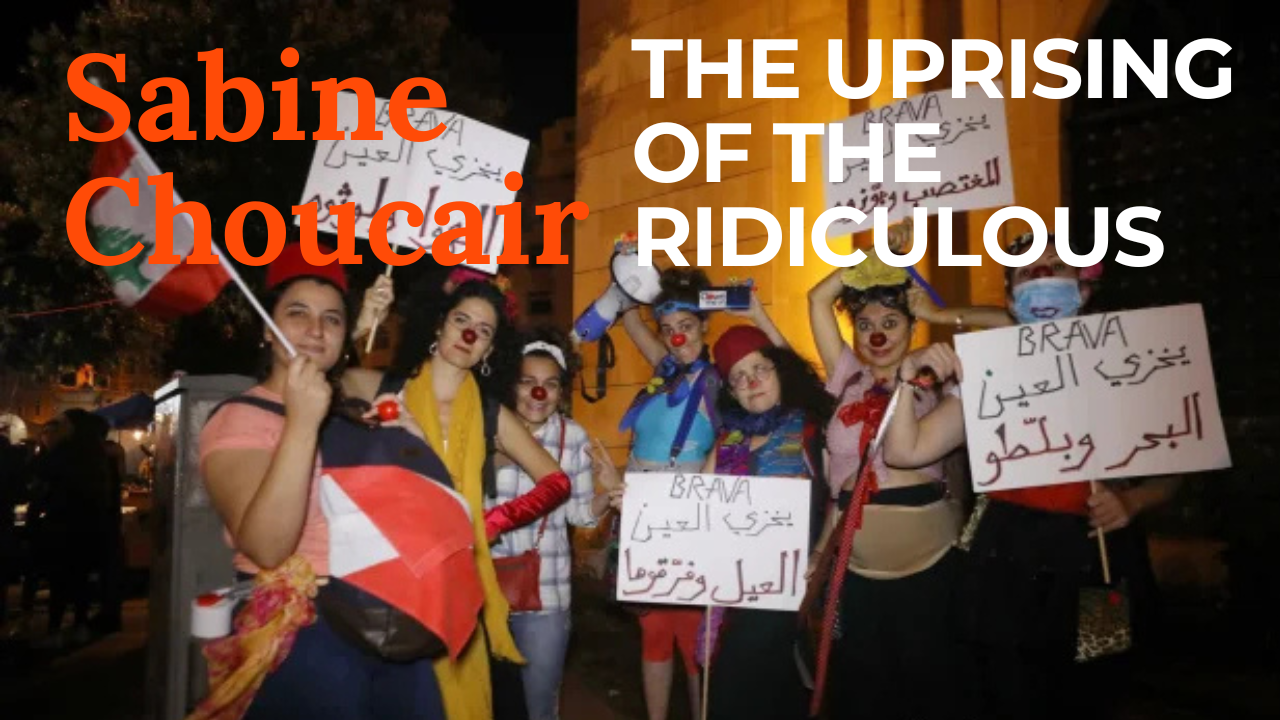
What do you do when the world becomes a farce? You put on a red nose. Sabine Choucair on reclaiming space, challenging power, and sparking connection through gloriously subversive play.
Stefan Haves on freedom, empathy, and authentic connection in clown: how vulnerability, structured improvisation, and performing with rather than at an audience unlocks genuine creative freedom on stage.
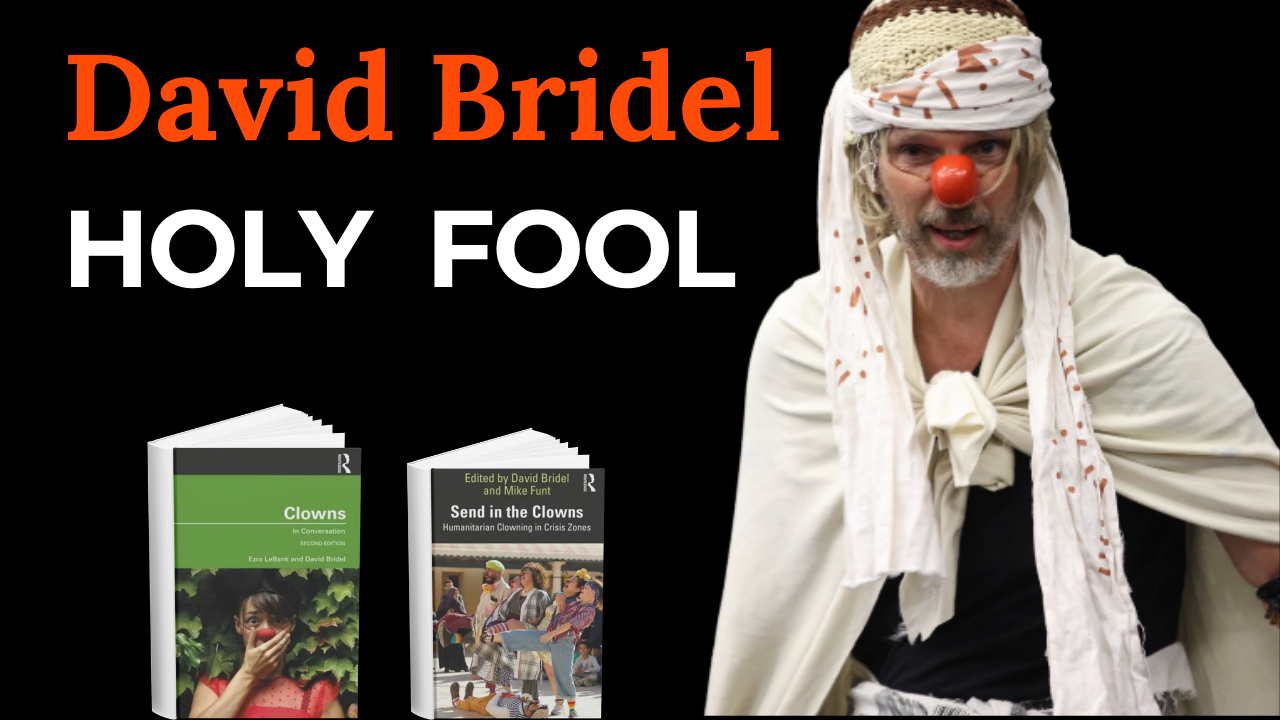
From St Francis of Assisi to Ted Lasso. David Bridel, founder of The Clown School, on the qualities that make the Holy Fool extraordinary: curiosity, humility, and truth through folly
Angela Halvorsen Bogo on the Fool as a quality of heart: presence, breath, and spaciousness as tools for meeting the moment with curiosity, effortlessness, and simple, steady connection.
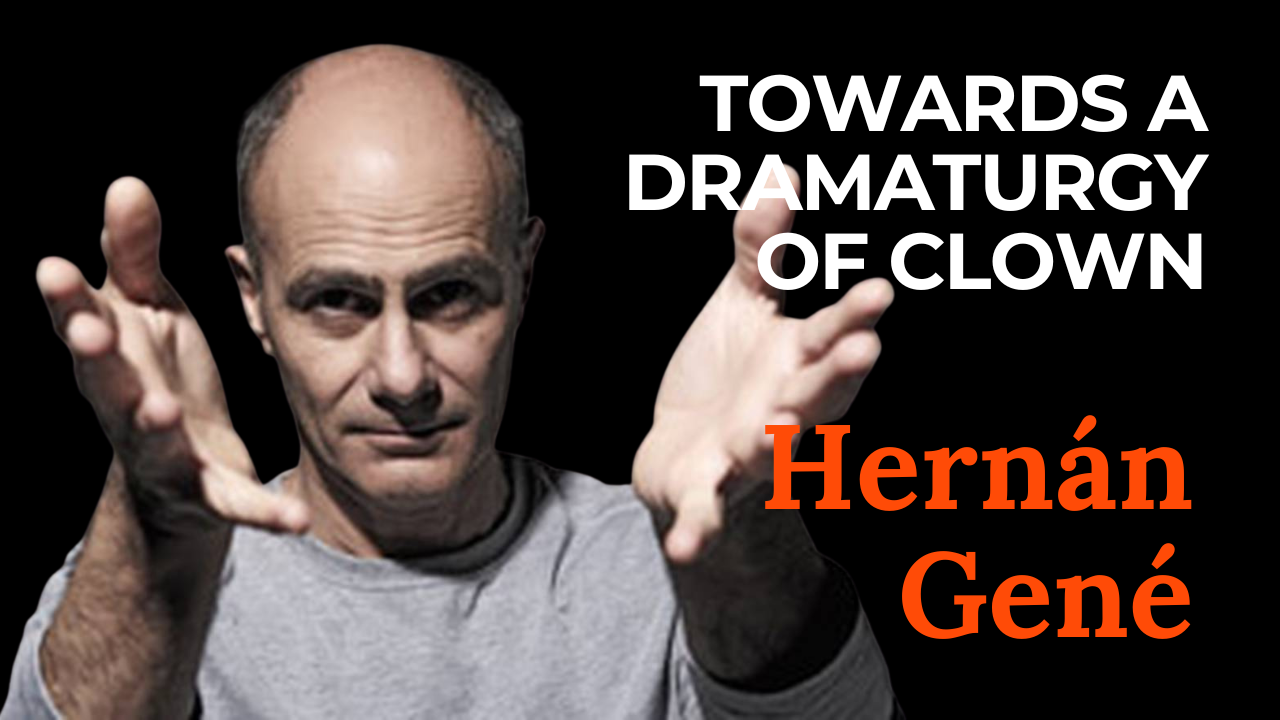
Hernán Gené on storytelling and structure in clown: character development, objectives, conflict, and the dramatic arc as tools for creating compelling, audience-engaging clown acts.
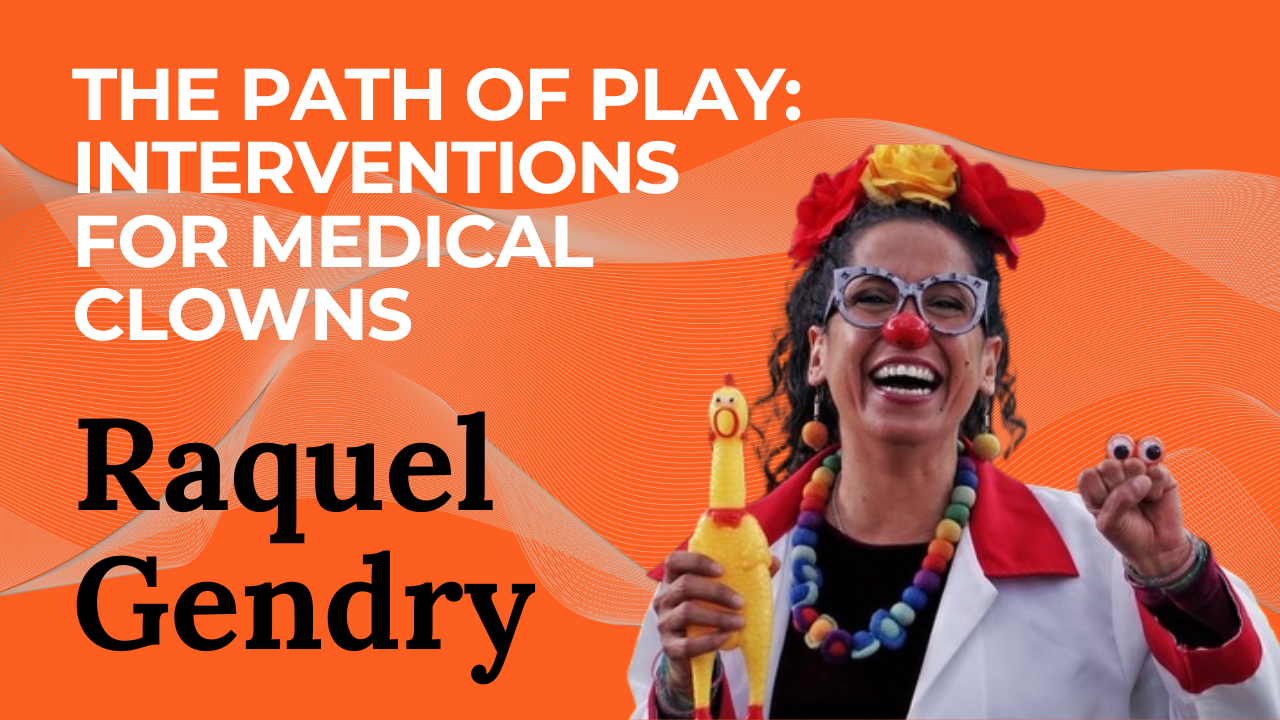
Raquel Gendry on medical clowning: the four-step intervention structure, grounding techniques, object transformation, and strategies for working with vulnerable populations including cancer patients and dementia communities.
