Welcome to the Movement for Clowning Hub!
This hub explores the embodied dimensions of clowning through movement, breath, physical theatre, presence, and body awareness. It brings together recordings, reflections, and learning resources that investigate the body as a source of expression and discovery.
Inside, you’ll find explorations of embodied clown practice, movement improvisation, the poetry of movement, physical theatre practices, somatic approaches, and the relationship between body, space, rhythm, and presence.
The hub offers both inspiration and practical insight for anyone interested in the physical and embodied foundations of clowning, performance, and creative practice.
Masterclasses
Below are four incredible masterclasses from leaders in Healthcare Clowning!
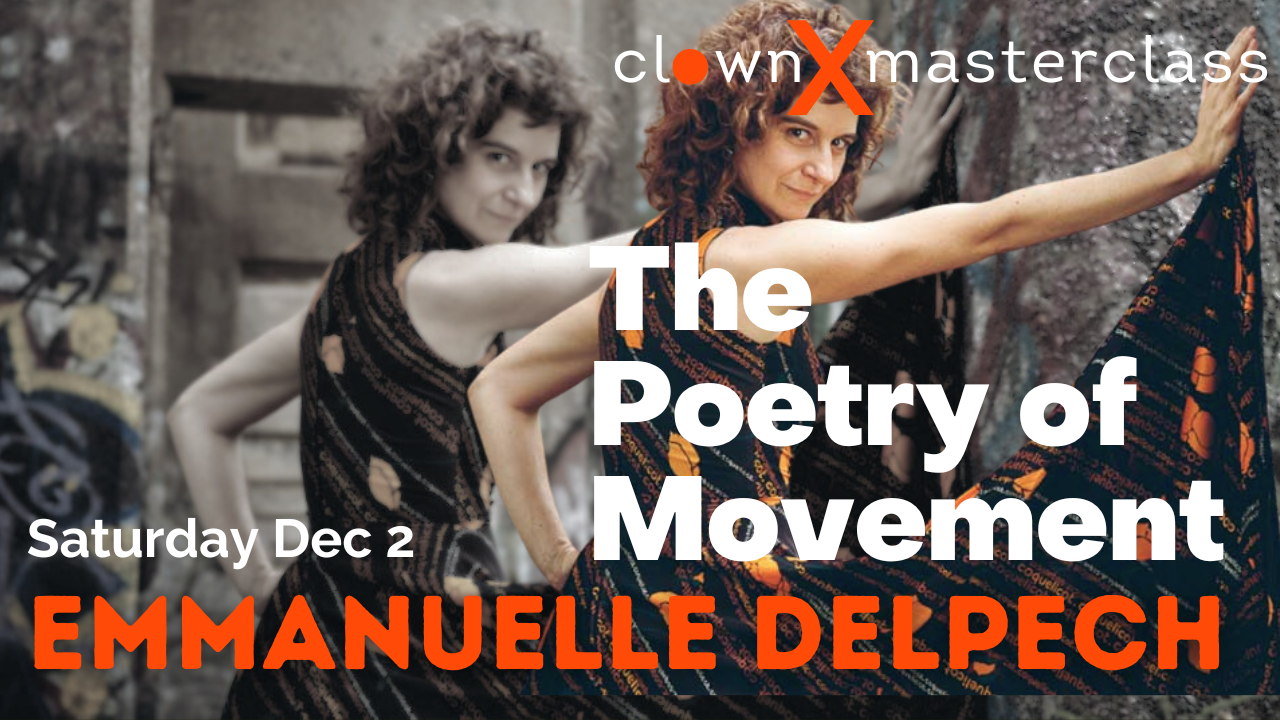
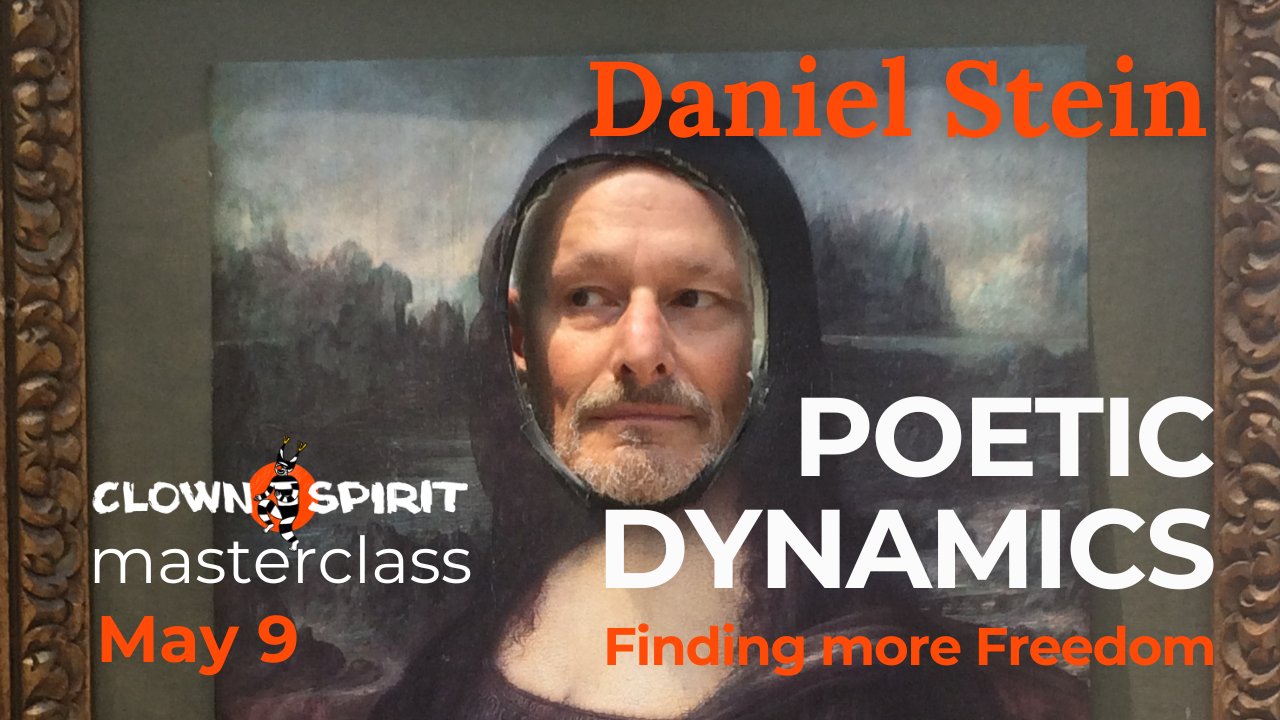
Embodied Practice in Search of the Clown
|
Embodied practices such as breath work, release techniques and grounding can hold the key to unlocking and sustaining the flow of emotion that makes clowning so powerful (and hilarious!). This panel talk brings together 4 artist-pedagog-creators, each with 20 plus years of experience, to speak about the role of embodied practice in their journeys as clowns and clown teachers. In clowning we often value being “honest” and “vulnerable” on stage. The clown shares openly with the audience precisely what most of us try to conceal. How do we enter this state of open honesty? How do we sustain contact with our audience while feeling all that the clown feels? How to we exit this state and return to our life offstage? What effect does this have on us when we get there? |
Clownversations
Below are some amazing Clownversations with leaders in Healthcare Clowning! Scroll to see all of them.
Clown-ergizers
Below are some short energizers that can support you to bring more articulation, expansiveness and presence to energize and inspire your Clown body.
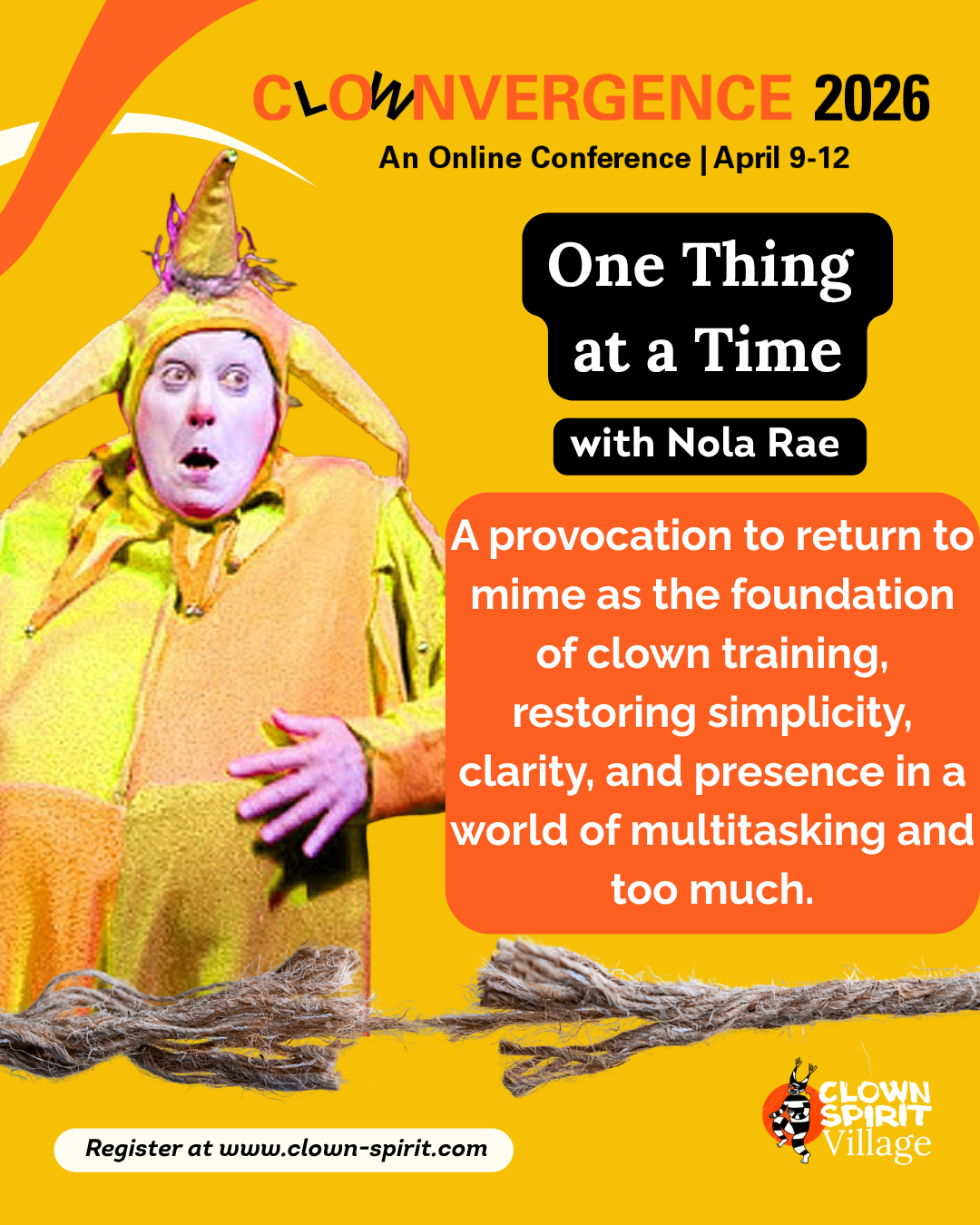
Nola Rae
A mime-inspired practice of articulation, doing one thing at a time (Time: 32:32)
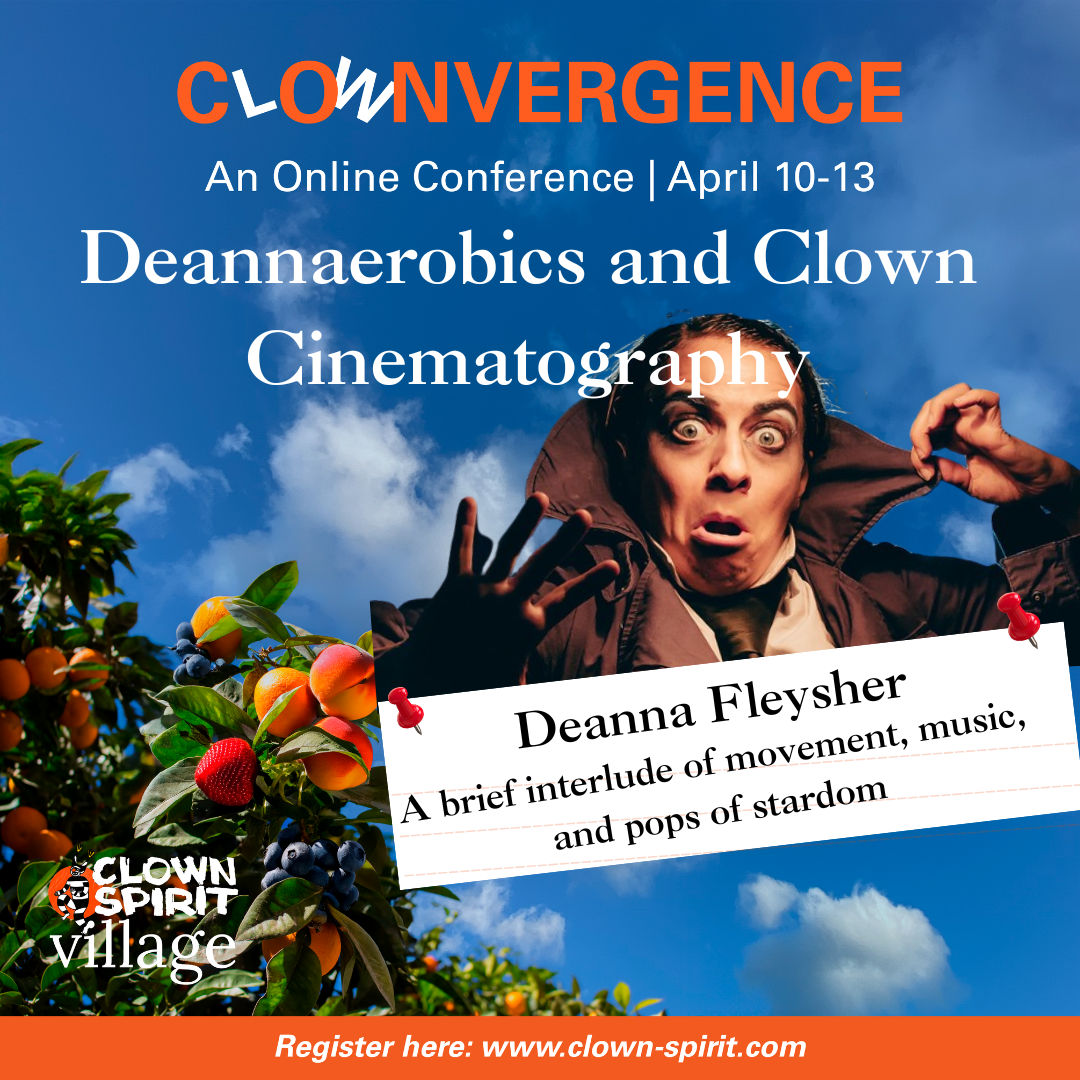
Deanna Fleysher
A brief interlude of movement, music, and pops of stardom (Time - 16:06)
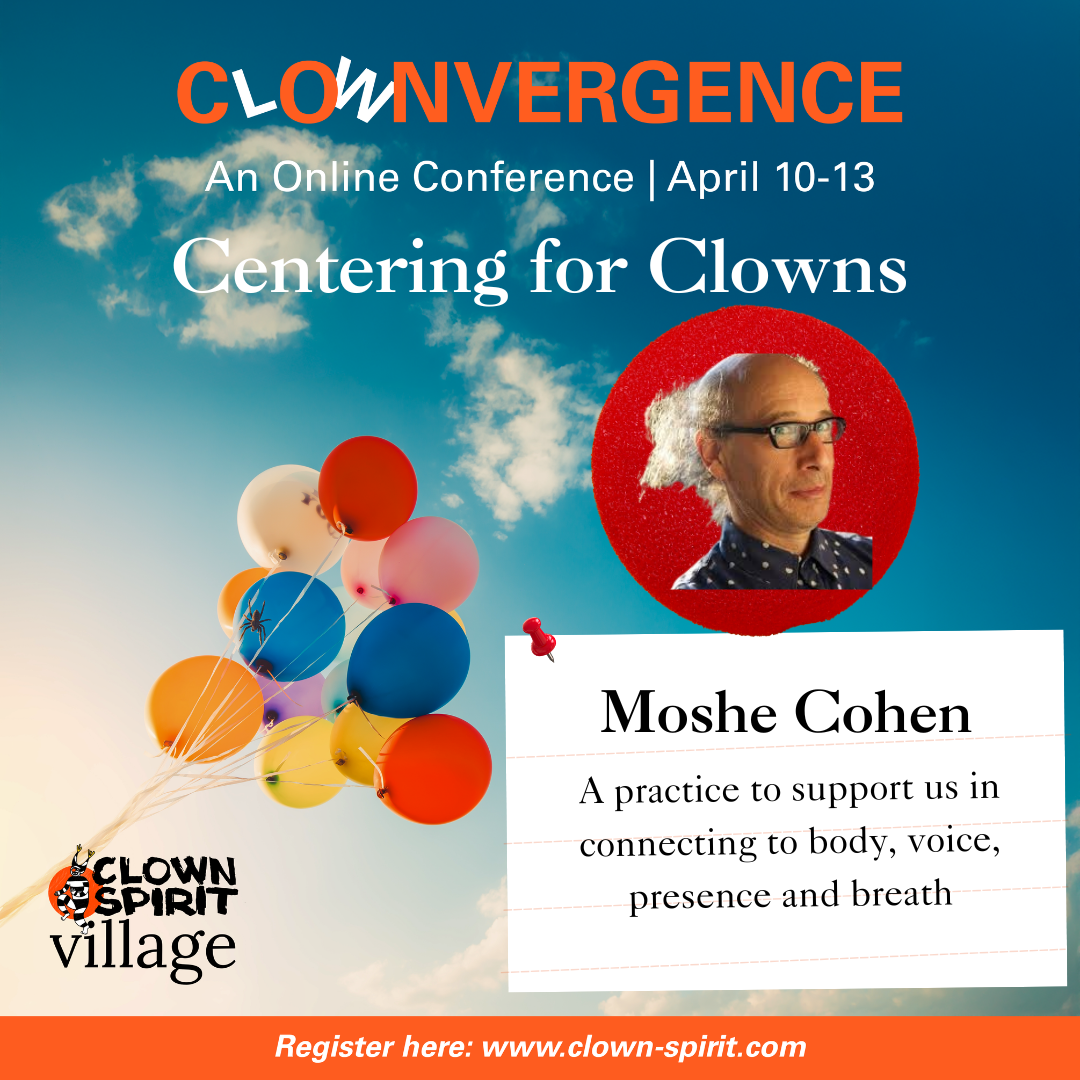
Moshe Cohen
A practice to support us in connecting to body, voice, presence & breath (Time - 29:28)
Articles
Below are some research articles about Clowning + Movement.
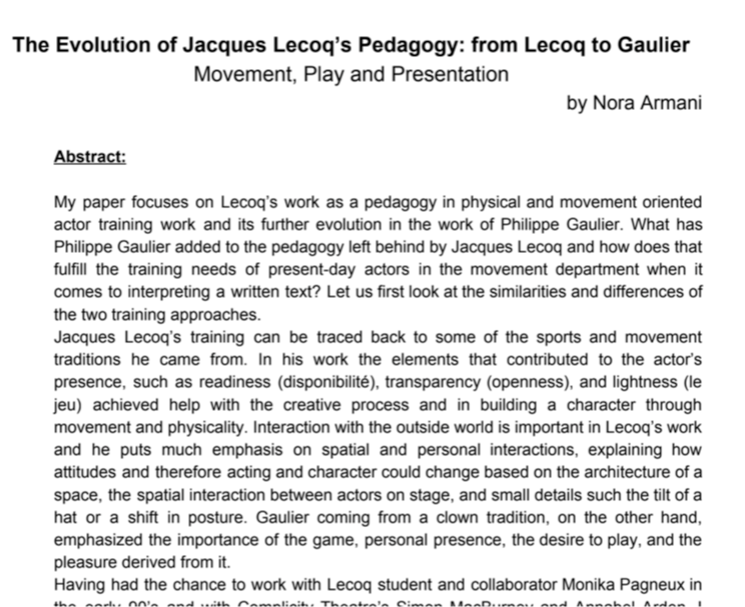
This paper explores the evolution of movement-based actor training, comparing the foundational pedagogy of Jacques Lecoq, which emphasizes spatial interaction and body kinetics, with the subsequent approaches of his collaborators Monika Pagneux and Philippe Gaulier, who focus on effortless movement and the childlike pleasure of "le jeu" (play).
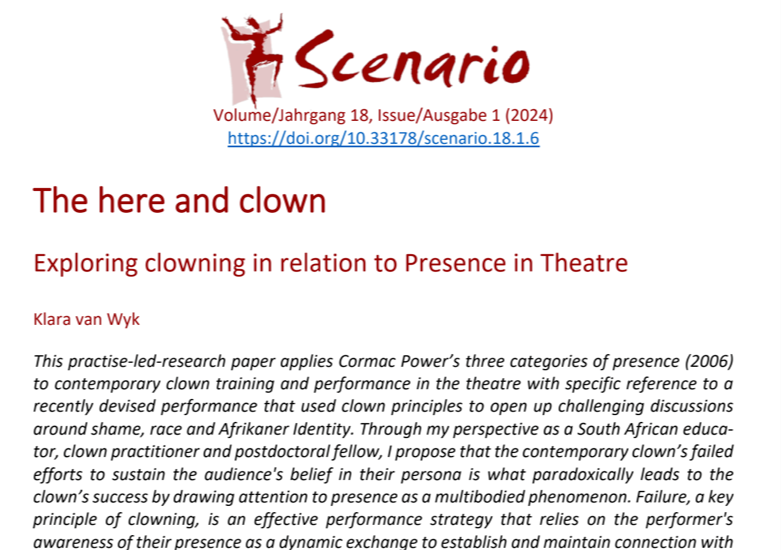
This paper applies Cormac Power’s three categories of presence—"Making Present," "Having Presence," and "Being Present"—to contemporary clown training and performance, specifically analyzing how the clown's inherent use of failure, play, and an "insider-outsider" status can disrupt traditional theatrical conventions to engage audiences in critical discussions on challenging topics like shame and identity.
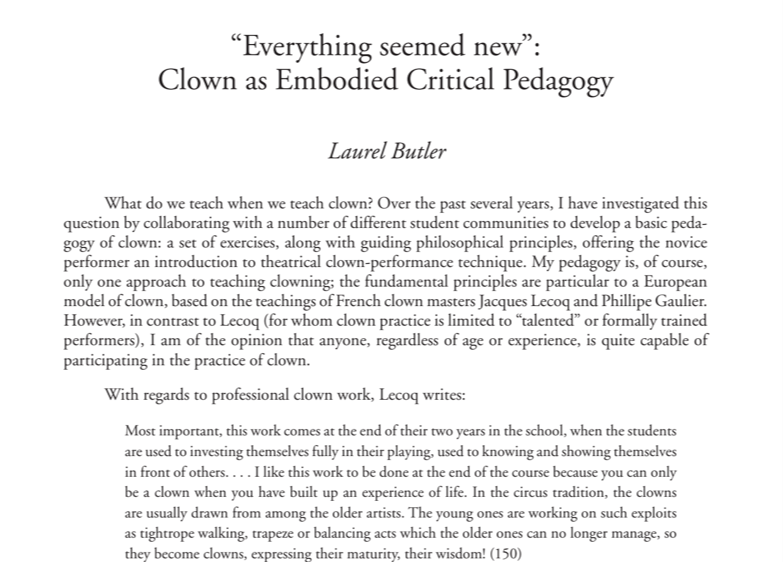
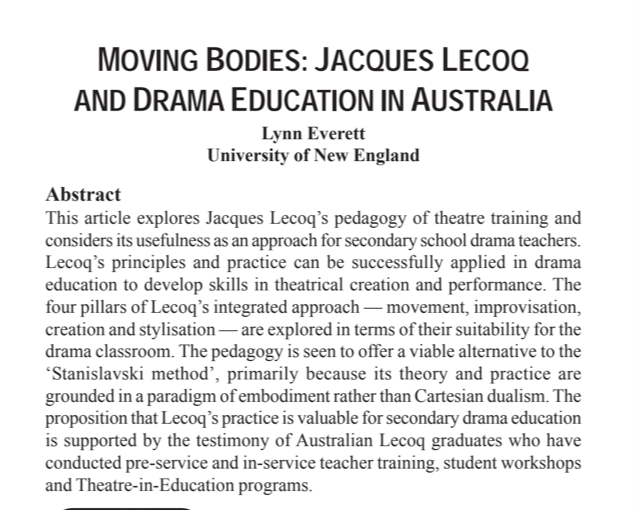
This article explores the pedagogy of Jacques Lecoq, arguing that its movement-based, integrated approach offers a valuable alternative to traditional drama education by fostering "embodiment" rather than the psychological dualism often found in secondary school classrooms.
This article explores how the figure of the child serves as a pedagogical model for discovering innocence, authenticity, and creativity in the clown training traditions of Jacques Copeau, Jacques Lecoq, and Philippe Gaulier.
This thesis examines the pedagogical influence of Philippe Gaulier on contemporary clown theatre by analyzing his core principles of play (le jeu), his performative use of insults in a whiteface-like role, and the creation of comic intermediality within productions like Spymonkey's Moby Dick and NIE's My Life With The Dogs.